
When Is a Student Ready to Leave Noorani Qaida?
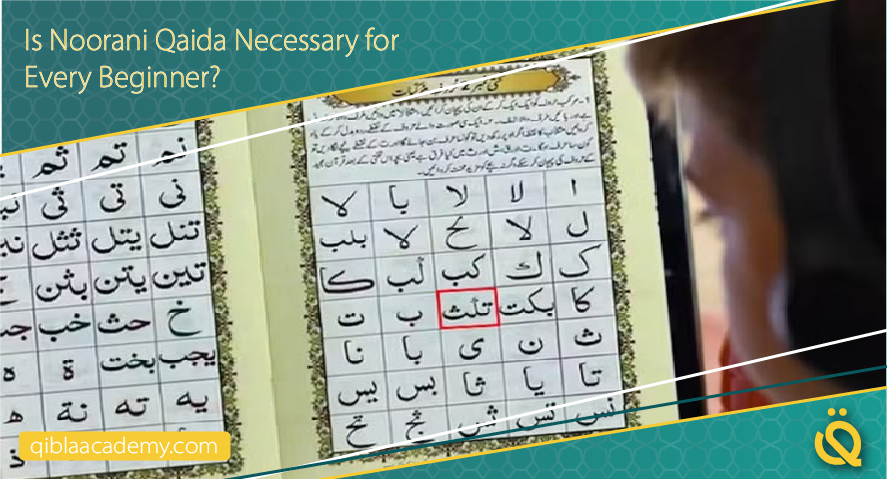
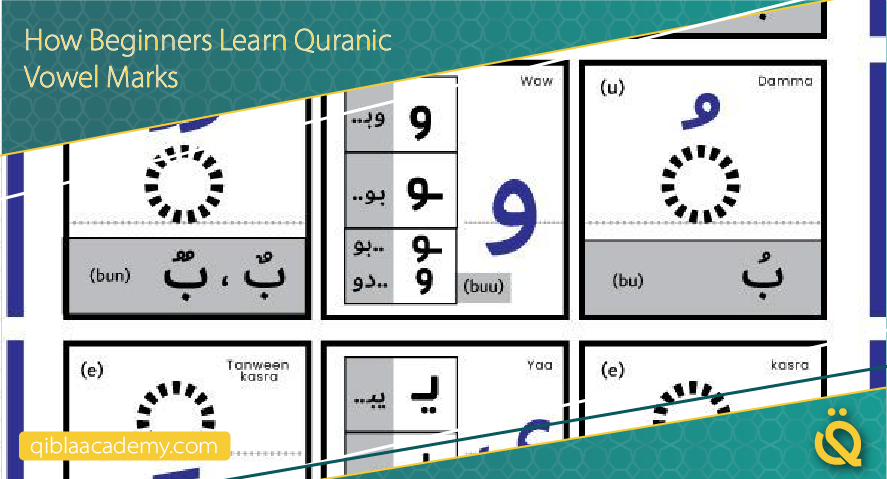
When Is a Student Ready to Leave Noorani Qaida? Finishing the final Noorani Qaida page does not automatically mean a learner is ready to leave it. A student may repeat familiar exercises fluently but still guess unfamiliar words. Another learner may not have completed every page yet but can recognize joined forms, apply basic reading marks, and decode short Quranic phrases with limited help. The decision should be based on transferable reading ability rather than book completion alone. For the complete learning journey, begin with the complete roadmap to learn Quran online. Learners still deciding whether they need a full Qaida path can review Is Noorani Qaida Necessary for Every Beginner? This article answers a narrower question: When should Noorani Qaida stop being the learner’s main resource and guided Quran reading become the priority? Quick Answer: When Should a Student Leave Noorani Qaida? A student is ready to leave Noorani Qaida as the main learning resource when they can recognize joined forms, apply basic reading marks, decode unfamiliar short words, respond to correction, and read a short Quranic phrase without continuous teacher modelling. Use this sequence: Test unfamiliar words → check marks and joining → observe correction → read a short Quranic phrase → review the skill later Perfect fluency and advanced Tajweed are not required. The important question is whether the learner can use Qaida foundations inside authentic Quranic text with limited support. What Does “Leaving Noorani Qaida” Mean? Leaving Noorani Qaida usually means that it is no longer the learner’s main reading text. The learner may move into: The book may still be used when one specific weakness reappears. For example, a learner reading Quranic text may return briefly to a Sukoon or Shaddah exercise. This does not mean the complete Qaida course must restart. The transition is complete when authentic Quranic text becomes the main place where reading develops and Qaida becomes a targeted support resource. This distinction matters because leaving Qaida is not an all-or-nothing event. A learner may spend most of the lesson reading short Quranic phrases while using one Qaida exercise to review a specific pattern. As that weakness becomes more stable, the amount of Qaida review can decrease. The aim is to make the learning material match the learner’s current need. Noorani Qaida Exit Readiness Check Skill Ready to Move Forward When… Continue Targeted Review When… Letter recognition Most letters are identified without sequence clues Similar letters are frequently confused Joined forms Letters are recognized inside short connected words Initial or medial forms remain unfamiliar Vowel marks Basic marks are checked before reading Fathah, Kasrah, or Dammah are guessed Sukoon and Shaddah Simple patterns are applied with limited support Extra vowels are added or doubling is ignored Basic Madd Short and long patterns are distinguished Length is repeatedly guessed Word decoding Unfamiliar short words can be attempted independently Only memorized exercises are read correctly Correction Feedback is repeated and applied again The same error returns immediately Quranic text A short phrase can be read slowly with limited help Every word requires full teacher modelling One weak pattern does not automatically require the learner to remain in the complete Qaida course. The teacher should decide whether the weakness blocks Quran reading or can be repaired through targeted review alongside guided recitation. For example, a learner who decodes unfamiliar short words but occasionally overlooks Shaddah may begin Quranic reading while reviewing that pattern separately. A learner who still fails to identify joined forms in most words needs a stronger foundation before Quranic text becomes the main resource. The readiness check should use unfamiliar material. Familiar exercises may hide dependence on memory, page layout, or repeated teacher modelling. Why Page Completion Is Not Enough Completing a Qaida page shows that the learner has been exposed to the material. It does not prove independent application. A page may be completed through: Before making an exit decision, change the example. Use: The learner should demonstrate the skill outside the exact exercise used during teaching. This is the difference between completing a lesson and owning the reading skill. A student may recite a familiar page quickly because the sequence is remembered. When the same letters and marks appear in a new word, the learner may hesitate or guess. Another learner may read a Qaida page slowly but apply the pattern accurately in unfamiliar words. That slower learner may be closer to a successful transition because the skill is transferring. Test Unfamiliar Words Before Leaving Qaida An unfamiliar word reveals whether the learner is using a reading process rather than memory. Use this process: Identify the letters → check the dots → notice the marks → combine the sounds → read the complete word Allow the learner to attempt the word before modelling it. Observe the amount of help required: The learner does not need perfect performance. The important evidence is whether they can begin, analyse, and correct the word without receiving the complete answer first. A student who needs one reminder to check Kasrah may still be ready for a partial transition. A learner who cannot begin until the teacher reads the complete word probably needs more foundation practice. The teacher should use more than one unfamiliar example. One successful word may be accidental, while several controlled examples provide stronger evidence. Can the Learner Read Short Quranic Text? Qaida exit readiness should be checked inside authentic Quranic text. Begin with one short phrase rather than a full page. The passage should contain mostly familiar: The learner should attempt each word before hearing it, follow the text from right to left, notice basic marks, repeat focused correction, and reread the phrase with less help. Slow, controlled decoding is a stronger readiness signal than fast recitation based on memory. For the practical transition process, continue with From Arabic Letters to Reading Your First Quran Verse. The phrase should be short enough that the teacher can observe the reading process. If every word requires complete modelling, Quranic text is not yet