
September 2026

what comes after noorani qaida from quran reading to tajweed qibla academy
Noorani Qaida

What Comes After Noorani Qaida? From Quran Reading to Tajweed

Knowing what comes after Noorani Qaida is important because finishing the Qaida should not become the end of the learning journey. The next goal is to transfer the reading patterns into real Quranic text. A learner who has developed stable letter recognition, vowels, Sukoon, Shaddah, connected reading, and basic long-vowel awareness can gradually begin spending more time in the Mushaf. The transition usually looks like this: Noorani Qaida foundations → guided Quran reading → stronger fluency → pronunciation correction → deeper Tajweed application The important word is gradually. You do not need to wait for perfect reading before opening the Quran, and you should not abandon the foundation before it is stable enough to support real Quran reading. Quick Answer: What Comes After Noorani Qaida? After Noorani Qaida, the learner should gradually move into guided Quran reading. The next stage usually focuses on: The goal is not: Finish Qaida → immediately study every Tajweed rule A better progression is: Transfer the foundation → strengthen Quran reading → correct pronunciation → add Tajweed depth For the complete foundation behind this transition, continue with Noorani Qaida Online: Complete Beginner Guide. How Do You Know You Are Ready to Move Beyond Noorani Qaida? Reaching the final page is useful, but it should not be the only test. A learner may be ready for more Quran reading when they can: Perfection is not required. What matters is that the foundation is stable enough to survive outside the Qaida page. A learner who still needs full teacher modelling for most basic combinations may benefit from more targeted foundation work before increasing the Quran-reading load. What Should Quran Reading Look Like After Noorani Qaida? The first Quran-reading stage should be manageable. Instead of beginning with long passages, a teacher may use: The learner should attempt the text before hearing the complete answer. This helps the teacher see whether the Noorani Qaida foundation is transferring into Quran reading. A useful sequence is: look → decode → read aloud → receive correction → read again The teacher can then gradually increase passage length and complexity. Why Can Quran Reading Feel Harder After Finishing Noorani Qaida? This is normal. Qaida exercises are controlled. Quranic text combines many patterns together. A learner may understand Sukoon, Shaddah, Madd, and connected forms separately but become slower when they all appear in one ayah. That does not mean Noorani Qaida failed. It means the learner is moving from: isolated skill practice to: integrated Quran reading This transition needs repetition. The solution is usually not to restart the entire Qaida automatically. Identify which foundation breaks down inside Quranic text and review that specific skill. Should You Continue Noorani Qaida While Reading Quran? Sometimes, yes. The transition does not need to be all-or-nothing. A learner may spend most of the lesson reading Quran while still returning briefly to Noorani Qaida for one unstable pattern. For example: This creates a useful bridge between foundation and application. Qaida becomes a reference tool, rather than a book the learner must either completely use or completely abandon. What Comes After Noorani Qaida for Pronunciation? Once basic decoding becomes easier, pronunciation usually deserves more attention. A learner may be able to identify the correct letter but still produce the sound inaccurately. That is a different problem. For example: Correct letter recognition + inaccurate sound = pronunciation issue rather than: inability to identify the written pattern = decoding issue At this stage, correction can increasingly focus on: For detailed articulation work, continue with Learn Quran Online With Tajweed: Makharij and Pronunciation Correction. When Should Tajweed Begin After Noorani Qaida? Basic pronunciation correction can happen throughout Noorani Qaida. But deeper Tajweed study becomes easier when the learner can read without spending all their attention on decoding. The learner may gradually begin working with areas such as: These should not all be introduced at once. The teacher can prioritize the rules that actually appear in the learner’s recitation. For the full distinction between the two stages, continue with Noorani Qaida vs Tajweed: What Is the Difference? How Do You Build Quran Reading Fluency After Noorani Qaida? Fluency grows when decoding becomes more automatic without sacrificing accuracy. A learner can build fluency by: Speed should not become the main goal. Fast inaccurate reading is not useful progress. A stronger sequence is: accuracy first → smoother reading → greater independence As recognition improves, the learner can gradually read longer passages without stopping after every word. A Short Transition Example Yusuf had completed his main Noorani Qaida lessons and could read familiar exercises confidently. When he began reading Quranic text, however, his pace became slower and several patterns that looked easy in the Qaida required more attention. Instead of returning to the beginning, the teacher kept Quran reading as the main activity and reviewed only the specific foundation patterns that caused hesitation. Over time, the transition became smoother because the learner was practising those skills in real Quranic context. This is an illustrative example, not a documented student case study. The important lesson is: Difficulty during the transition does not always mean the learner should restart Noorani Qaida. Often, targeted review plus continued Quran reading is the better next step. What Should You Avoid After Finishing Noorani Qaida? 1. Stopping Reading Practice Qaida skills need to transfer into Quranic text. Finishing the book and then taking a long break can weaken that transition. 2. Rushing Into Advanced Tajweed Too much terminology can overwhelm a learner who is still building Quran-reading fluency. 3. Ignoring Foundation Gaps If Sukoon, Shaddah, or connected reading repeatedly breaks down, review the specific skill. 4. Reading Only Familiar Surahs Memorized passages can hide weak decoding. Include unfamiliar text gradually. 5. Measuring Progress Only by Speed Reading faster is useful only when accuracy remains stable. How Do You Know Quran Reading Is Improving After Noorani Qaida? Look for changes such as: These are stronger indicators than page count alone. A learner is moving beyond foundation work when more attention can shift from:

noorani qaida vs tajweed what is the difference qibla academy
Noorani Qaida

Noorani Qaida vs Tajweed: What Is the Difference?

Noorani Qaida vs Tajweed is an important distinction for beginners because the two stages solve different Quran-reading problems. Noorani Qaida mainly develops the foundation needed to recognize letters, vowel patterns, connected forms, Sukoon, Shaddah, and basic reading combinations. Tajweed focuses on how Quranic recitation should be pronounced and how recitation rules are applied accurately. In simple terms: Noorani Qaida helps you learn how to read.Tajweed helps you improve how that Quran reading is pronounced and recited. The two stages are connected, but they are not interchangeable. Quick Answer: Noorani Qaida vs Tajweed — What Is the Main Difference? The main difference is the skill each one develops. Area Noorani Qaida Tajweed Main purpose Build Quran-reading foundations Improve accurate Quran recitation Typical beginner focus Letters, vowels, joining, Sukoon, Shaddah Pronunciation and recitation rules Best for Learners who cannot yet decode Quran confidently Learners who can read and need recitation correction Main outcome Increasingly independent reading Increasingly accurate recitation Starting requirement Can begin from zero Usually easier when basic reading is already developing A complete beginner often benefits from strengthening reading foundations before studying many detailed Tajweed rules. For the full Noorani Qaida learning structure, continue with Noorani Qaida Online: Complete Beginner Guide. What Does Noorani Qaida Teach? Noorani Qaida teaches the foundational mechanics of reading Arabic script used in the Quran. A learner may work on: The purpose is not simply to memorize a sequence of Qaida pages. The learner should gradually become able to see a written pattern and decode it with less help. This is why Noorani Qaida is often useful before advanced Tajweed study. What Does Tajweed Teach? Tajweed develops accurate Quranic pronunciation and recitation. It includes areas such as: This article will not teach those rules individually. They belong to the dedicated Tajweed learning pathway. For that complete roadmap, continue with Learn Quran Tajweed Online: A Complete Beginner Roadmap. Should You Learn Noorani Qaida or Tajweed First? For a complete beginner, Noorani Qaida or another structured Quran-reading foundation usually comes first. That is because detailed Tajweed becomes difficult to apply when the learner is still struggling to: A learner who spends most of their attention trying to identify the word has less attention available for detailed recitation rules. But this does not mean Tajweed must be completely postponed. A teacher can correct basic pronunciation while the learner is still studying Noorani Qaida. The distinction is: Reading foundation leads the learning plan.Basic pronunciation correction can happen alongside it. Can You Learn Noorani Qaida and Tajweed at the Same Time? Yes, to a limited extent. A beginner does not need to finish every Qaida lesson before hearing correct pronunciation. For example, while teaching a letter, the teacher should model the sound accurately. While teaching Madd at a basic reading level, the learner can hear the difference between short and long sounds. But the learner does not need to study the complete technical Tajweed system at the same time. A practical progression is: build reading → correct basic pronunciation → increase Quran reading → add Tajweed depth gradually This keeps the learner from becoming overloaded with terminology before the reading itself is stable. How Do You Know Noorani Qaida Should Come First? Noorani Qaida should remain the main priority when the learner: In these cases, adding more Tajweed terminology may not solve the main problem. The stronger first step is to stabilize decoding. For the broader beginner journey, read How to Learn Quran Online. How Do You Know You Are Ready for More Tajweed? The learner may be ready to increase Tajweed study when they can read Quranic text with less effort spent on basic decoding. Useful signs include: This does not require perfect fluency. The goal is simply to reach a point where reading mechanics are no longer blocking every Tajweed correction. Noorani Qaida vs. Tajweed for Pronunciation Problems Sometimes the learner can read the word but still pronounces a letter incorrectly. That is different from a decoding problem. For example: This distinction matters because the solution changes. Repeating more Qaida pages may not fix a pronunciation problem that needs focused articulation correction. For that specific issue, continue with Learn Quran Online With Tajweed: Makharij and Pronunciation Correction. A Simple Example: When the Learner Needs Qaida Before More Tajweed Sara had already heard several Tajweed terms and could name some basic rules. But when she opened an unfamiliar Quranic passage, she still hesitated over connected letters and basic vowel patterns. The issue was not that she needed more Tajweed terminology. Her reading foundation needed to become more stable first. The learning plan therefore returned to selected Noorani Qaida patterns before adding more detailed recitation rules. Once reading required less effort, Tajweed correction became easier to apply inside Quranic text. This is an illustrative example, not a documented student case study. The lesson is: Knowing Tajweed terminology does not replace the ability to decode Quranic text. Can Someone Know Tajweed Without Reading Quran Fluently? A learner may understand some Tajweed rules theoretically without being able to apply them consistently. For example, they may know what Qalqalah means but still struggle to read the surrounding word. This creates a gap between: rule knowledge and: rule application That is why practical Quran reading matters. Tajweed becomes more useful when the learner can meet the rule naturally inside real recitation rather than only identify it in a lesson. Can Someone Finish Noorani Qaida Without Knowing Tajweed? Yes. Finishing Noorani Qaida does not mean the learner has mastered Tajweed. Qaida provides a reading foundation. After that, the learner may still need significant work on: That is normal. Noorani Qaida and Tajweed represent different stages of development. What Should Come After Noorani Qaida? Once the foundation becomes stable, the learner should gradually spend more time reading actual Quranic text. At this stage, teaching may shift toward: The transition should depend on reading evidence, not simply on finishing the final Qaida page. The dedicated next-step article will cover this in full: What Comes After Noorani

noorani qaida for adults can beginners start from scratch qibla academy
Noorani Qaida

Noorani Qaida for Adults: Can Beginners Start From Scratch?

Noorani Qaida for adults can be a practical starting point for anyone who wants to read the Quran but cannot yet recognize Arabic letters confidently or combine them into words. Adults often worry that they are starting too late. They are not. The real question is not age. It is: Which Quran-reading skills are already stable, and which foundation should come next? An adult beginner may start with individual Arabic letters, while another may already know the alphabet but struggle with connected forms, Sukoon, Shaddah, or basic vowel patterns. The right Noorani Qaida starting point should match the learner’s actual reading level. Quick Answer: Can Adults Learn Noorani Qaida From Scratch? Yes. Adults can learn Noorani Qaida from the beginning even if they: A useful progression is: recognize → pronounce → combine → read → repeat → apply independently Adults do not need to rush through the early lessons simply because the material looks basic. A strong foundation makes later Quran reading easier. For the complete Noorani Qaida curriculum and sequence, continue with Noorani Qaida Online: Complete Beginner Guide. What Does Noorani Qaida for Adults Teach? Noorani Qaida for adults builds the basic decoding skills used in Quran reading. A beginner may gradually learn: The goal is not to memorize terminology. The goal is to recognize a written pattern and read it correctly with less help over time. Where Should an Adult Beginner Start Noorani Qaida? Adults should not automatically start from page one. The starting point should depend on what they can already do. Current Ability Possible Starting Point Cannot recognize Arabic letters Individual letters Knows some letters but confuses them Letter recognition and comparison Knows the alphabet but cannot join sounds Connected forms and vowel patterns Reads simple combinations Sukoon, Shaddah, and more complex patterns Reads some Quran independently Assess specific gaps before using the full Qaida A short reading assessment can prevent two common problems: The best Noorani Qaida lesson begins at the first genuine gap, not simply the first page. Is Noorani Qaida for Adults Different From Noorani Qaida for Kids? The reading foundations may be similar, but the teaching style should be different. Adults can often: Children may need more repetition, visual support, and shorter tasks. An adult lesson therefore does not need to feel childish simply because the learner is studying beginner material. The curriculum can remain foundational while the teaching style stays respectful and age-appropriate. For the child-specific pathway, continue with Noorani Qaida for Kids: When and How Should Children Start? Do Adults Need to Know Arabic Before Starting Noorani Qaida? No. Knowing conversational Arabic is not a requirement for beginning Noorani Qaida. A learner can build Quran-reading skills without already speaking Arabic fluently. What matters initially is learning how the written Arabic pattern connects to the correct sound. An adult may understand very little spoken Arabic but still learn to: Language comprehension and Quran decoding are related learning goals, but they are not the same skill. Why Do Some Adults Find Noorani Qaida Difficult at First? Adult beginners may face challenges that children do not always experience in the same way. 1. Trying to Progress Too Quickly Adults may feel embarrassed by beginner material and want to move immediately into Quran pages. That can leave foundation gaps unresolved. 2. Translating Arabic Sounds Into English Letters Romanized spellings can help briefly, but depending on them too heavily may prevent direct Arabic recognition. 3. Fear of Making Mistakes Some adults hesitate to read aloud because they feel they “should already know.” But correction requires the teacher to hear the reading. 4. Old Reading Habits A learner who has recited familiar Surahs from memory for years may discover that memorized pronunciation and independent decoding are different skills. The solution is not to study faster. It is to identify the specific reading foundation that needs correction. Can Adults Learn Noorani Qaida Online? Yes. Online Noorani Qaida for adults can work well when lessons remain interactive. A useful lesson includes: The adult should spend meaningful lesson time reading rather than only listening. Online learning can also make scheduling easier for adults balancing work, family responsibilities, and other commitments. The delivery format matters less than whether the learner receives enough accurate reading practice and feedback. Can Adults Learn Noorani Qaida Without a Teacher? Some adults can independently review letters and familiar patterns. The harder part is verifying pronunciation and recognizing errors that feel correct to the learner. Self-study is most useful for: Teacher feedback becomes more valuable when: For the full self-study comparison, continue with Can You Learn Noorani Qaida Online Without a Teacher? How Should Adults Practise Noorani Qaida? Adult learners often benefit from short, regular practice rather than occasional long sessions. A simple routine can be: The practice should stay focused. If Sukoon is the current problem, there is little value in introducing several unrelated patterns in the same session. For the detailed routine, continue with How to Practise Noorani Qaida at Home. A Short Adult-Learner Example Ahmed had memorized several short Surahs but found it difficult to read unfamiliar Quranic words independently. Instead of treating him as if he knew nothing, the learning plan focused on the foundation gaps that appeared during reading. He reviewed selected Noorani Qaida patterns, practised connected reading, and received correction on the combinations that repeatedly caused hesitation. The important change was not “finishing the book.” It was becoming less dependent on memory and more able to decode what was written. This is an illustrative example, not a documented student case study. The point is simple: An adult may already know parts of Quran recitation while still benefiting from targeted Noorani Qaida foundations. How Do Adults Know Noorani Qaida Is Working? Look for changes in actual reading. Progress may appear as: Completed pages can provide context. They should not be the only measure. A stronger question is: Can I read a pattern I have not memorized before? That shows whether the skill is transferring. When Should an Adult Move From

can you learn noorani qaida online without a teacher qibla academy
Noorani Qaida

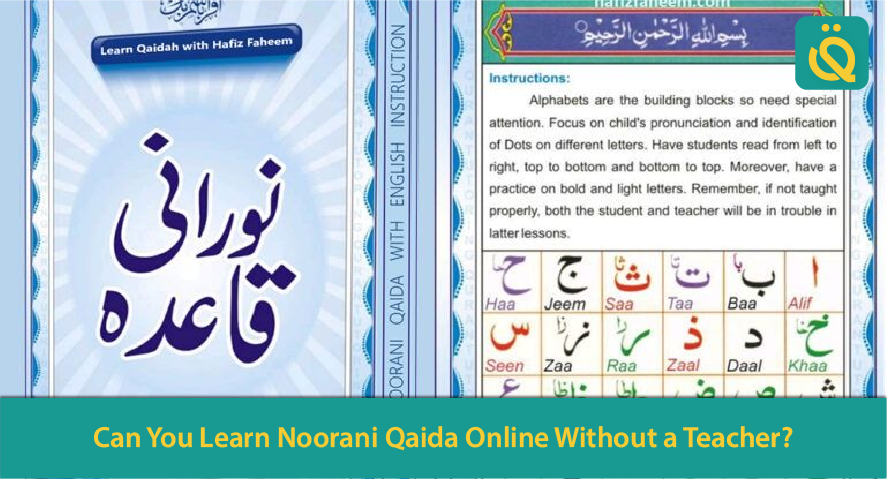
Can You Learn Noorani Qaida Online Without a Teacher?

The main difficulty is not access to material. It is knowing whether the reading is actually correct. A beginner may repeat the same sound many times without noticing that the letter, Sukoon, Shaddah, or vowel length is being produced inaccurately. Self-study can therefore be useful for: But live correction becomes more valuable when pronunciation, decoding, or repeated mistakes are unclear. Quick Answer: Can You Learn Noorani Qaida Online Without a Teacher? Yes, you can learn parts of Noorani Qaida through books, videos, recordings, and guided online resources. However, self-study becomes harder when you need to answer questions such as: A teacher is especially useful when the learner cannot verify these points alone. For the complete Noorani Qaida curriculum and sequence, continue with Noorani Qaida Online: Complete Beginner Guide. What Can You Learn From Noorani Qaida Self-Study? Self-study can help with several foundation tasks. A learner may use independent Noorani Qaida practice to: This works best when the learner already knows what the pattern should sound like. Self-study is less reliable when the learner is still uncertain about the sound itself. The main distinction is: Recognition can often be practised alone.Accuracy is harder to verify alone. Why Is Noorani Qaida Harder to Learn Without a Teacher? The challenge is feedback. When a beginner reads incorrectly, they may not hear the difference between the target sound and their own version. That means the mistake can feel correct. This is especially common with: If the learner repeats the same inaccurate pattern many times, self-study may reinforce the mistake instead of fixing it. For detailed examples of these errors, continue with 7 Common Noorani Qaida Mistakes Beginners Make. Can Videos Replace a Noorani Qaida Teacher? Videos can be useful for modelling. A learner can: But a video cannot hear the learner. That is the limitation. A recorded lesson can show: “This is how the pattern should sound.” It cannot reliably answer: “Is this how you are actually producing it?” That difference matters when the learner begins developing pronunciation habits. Videos are therefore useful as support, but they do not provide individual correction. When Is Self-Study Enough for Noorani Qaida? Self-study may be enough for a particular stage when the learner can: A learner who already has strong Arabic-reading foundations may need only light guidance. A complete beginner usually has less ability to judge their own reading accurately. The more uncertain the foundation, the more useful external feedback becomes. When Should You Use a Noorani Qaida Teacher? Teacher support becomes especially useful when: The purpose of the teacher is not simply to read the page aloud. A useful teacher should: listen → identify the main error → model it → let the learner retry → test again That feedback loop is what self-study usually cannot provide by itself. Noorani Qaida Self-Study vs. Learning With a Teacher Learning Area Self-Study Teacher Support Letter recognition Often useful Useful when confusion remains Familiar pattern review Usually suitable May not be needed every time Pronunciation correction Difficult to verify alone Direct feedback is useful Sukoon and Shaddah errors May be missed Can be identified immediately New examples Good for testing yourself Teacher can verify transfer Repeated mistakes Harder to diagnose Can be isolated and corrected Neither method needs to be treated as all-or-nothing. A learner can combine both: teacher correction + independent review This is often more practical than choosing between complete self-study and complete dependence on lessons. Can Children Learn Noorani Qaida Without a Teacher? Children can practise familiar Noorani Qaida material at home. But younger learners often need more support to know: Parents can help with routine and review. They do not need to become technical Quran-reading teachers. If the parent is unsure about pronunciation, it is better to reinforce teacher-approved examples than to introduce a new sound independently. For child-specific readiness and starting points, continue with Noorani Qaida for Kids: When and How Should Children Start? Can Adults Learn Noorani Qaida Without a Teacher? Adults may be more independent than children, but the same pronunciation problem can still occur. An adult may understand the written explanation clearly and still produce the sound inaccurately. Self-study may work well for: A teacher becomes more useful when the learner reaches a sound or reading pattern they cannot verify alone. For the adult-specific pathway, continue with Noorani Qaida for Adults: Can Beginners Start From Scratch? A Simple Example: When Self-Study Stops Working A learner spends several weeks reviewing Noorani Qaida independently. They can read the familiar page smoothly. But when the same pattern appears in a different order, hesitation returns. The problem is not motivation. The learner may have memorized the page more strongly than the reading pattern. At that point, more repetition of the same page may not help. A teacher can test unfamiliar examples, identify the exact breakdown, and correct the underlying reading skill. This is an illustrative example. The key lesson is: More self-study is not always the answer when the same mistake keeps returning. How Should You Combine Noorani Qaida Self-Study With Teacher Support? A simple structure is: During the Lesson Use teacher time for: Between Lessons Use independent practice for: This keeps live lesson time focused on the areas that are hardest to verify alone. For a detailed home routine, continue with How to Practise Noorani Qaida at Home. What Should You Avoid When Learning Noorani Qaida Without a Teacher? Avoid: 1. Repeating a Sound You Are Unsure About Repeated practice only helps when the model is reasonably accurate. 2. Memorizing the Page Test the same reading pattern in another example. 3. Moving Forward Because the Page Feels Familiar Familiarity is not the same as independent reading. 4. Studying Too Many New Patterns at Once Keep the current target clear. 5. Waiting Too Long to Check a Repeated Error If the same mistake keeps returning, get feedback before it becomes a stronger habit. How Do You Know Self-Study Is Working? Look for evidence such as: The test is not: “Did I practise today?” The

how to practise noorani qaida at home a simple routine qibla academy
Noorani Qaida

How to Practise Noorani Qaida at Home: A Simple Routine

Learning how to practise Noorani Qaida at home is not about turning every evening into another long Quran lesson. The most useful home practice is usually short, focused, and connected to what the learner has already studied with the teacher. A learner may need only a few carefully chosen examples to strengthen one reading pattern. What matters is that the pattern is read accurately, repeated correctly, and remembered later. The goal is simple: Review what was taught → read it accurately → repeat the difficult part → test it again Home practice should strengthen the lesson, not create a second curriculum. Quick Answer: How Should You Practise Noorani Qaida at Home? A simple Noorani Qaida home routine can take around 5–15 focused minutes, depending on the learner’s age, level, and attention. A useful session may include: The learner does not need to complete many pages. A better target is: one small skill practised correctly rather than: several pages repeated inaccurately. If you need the full learning sequence before planning home practice, start with Noorani Qaida Online: Complete Beginner Guide. What Should Noorani Qaida Home Practice Include? Home practice should usually reinforce a small number of skills. Depending on the current lesson, this may include: Do not try to review all of these in every session. Choose the skill the learner is currently studying. For example, if the lesson focused on Sukoon, home practice should mainly reinforce that pattern rather than introduce Shaddah or a new Qaida lesson. This keeps practice connected to the teacher’s learning plan. A Simple Noorani Qaida Practice Routine The routine does not need to be complicated. Step 1: Begin With Something Familiar Start with one pattern the learner can already read. This gives an easy entry into practice and allows you to notice whether yesterday’s skill is still stable. Step 2: Review the Current Lesson Use the examples assigned by the teacher. The learner should try before receiving help. If every example is read only after hearing the answer first, the practice is testing imitation rather than independent reading. Step 3: Focus on One Difficult Pattern Choose the main difficulty. It may be: Avoid correcting five different things simultaneously. Step 4: Try a New Example Change the example slightly. This helps answer an important question: Has the learner understood the pattern, or simply memorized the original row? Step 5: Finish With One Accurate Attempt End with a pattern the learner can read correctly. The goal is not exhaustion. It is a short session that reinforces accurate reading. How Long Should Noorani Qaida Practice at Home Be? There is no fixed practice duration for every learner. A young child may benefit from a very short session. An older beginner may remain focused for longer. What matters is the quality of reading. Consider ending the session when: Ten focused minutes can be more useful than thirty distracted minutes. Do not increase practice time simply because progress feels slow. If the learner is struggling repeatedly, first identify what skill is unstable. For detailed diagnosis, continue with 7 Common Noorani Qaida Mistakes Beginners Make. Should Parents Teach New Noorani Qaida Lessons at Home? Usually, home practice works best when parents reinforce what has already been taught. Parents can help by: Parents do not need to become a substitute Quran teacher. If pronunciation is uncertain, avoid repeatedly modelling a sound you are not confident about. It is better to mark the difficulty and ask the teacher to verify it. The parent’s role is often: protect the routine → support the learner → reinforce accurate material How Often Should You Practise Noorani Qaida at Home? Short and regular practice is generally easier to retain than occasional long sessions. A learner may benefit from brief review on several days between lessons rather than trying to complete all practice immediately before the next class. For example: Day Practice Focus Lesson day Review the corrected examples Next day Repeat the current pattern Later review Test a few examples without help Before next lesson Revisit only what remains difficult This is not a compulsory weekly schedule. The teacher’s plan and the learner’s needs should come first. The important principle is to avoid long gaps that force the learner to rebuild the same foundation every lesson. How Can You Practise Noorani Qaida Without Memorizing the Page? Repeated page reading can become deceptive. A learner may sound fluent because they remember the order of the examples. To test actual reading: The goal is not to make practice difficult. It is to check whether recognition works beyond one familiar page. How Should Children Practise Noorani Qaida at Home? For children, keep the task clear and manageable. Instead of saying: “Go practise your Qaida.” say: “Read these five examples and show me the Sukoon pattern.” A specific task feels smaller and easier to complete. Other useful approaches include: The home routine should help the child return to the next lesson prepared, not tired of Noorani Qaida. For broader support beyond Qaida, the principles in How Parents Can Help Children Memorize Quran at Home can also help families build a calmer Quran-learning routine. A Short Practice Story: Maryam’s Five-Minute Review Maryam understood her Noorani Qaida lesson during class but often struggled to remember the same pattern several days later. Instead of increasing the amount of homework, her practice routine was simplified. Each home session focused on only a few teacher-approved examples from the current lesson. She would read the familiar pattern, repeat the difficult example, and then try one similar example without hearing the answer first. The important change was not the number of minutes she practised. It was that practice had one clear purpose. Over time, the routine became easier to follow because Maryam knew exactly what she was expected to review. This is an illustrative example, not a documented student case study. The lesson is simple: A small, specific practice task is often easier to repeat consistently than a large and unclear homework assignment. What Should You Do

7 common noorani qaida mistakes beginners make qibla academy
Noorani Qaida

7 Common Noorani Qaida Mistakes Beginners Make

Noorani Qaida mistakes may look small at first, but repeated errors can make later Quran reading more difficult. A learner may add a vowel after Sukoon, confuse similar letters, shorten a long vowel, or repeat a familiar row correctly without actually decoding it. The goal is not to correct every sound at once. It is to identify the reading pattern that is breaking down, correct it clearly, and test whether the learner can use the correction in a new example. This guide covers seven common Noorani Qaida mistakes and what to do about each one. What Are the 7 Most Common Noorani Qaida Mistakes? The seven common mistakes are: One mistake does not automatically mean the learner has a serious problem. Ask: Does the same error return when the example, order, or page changes? If it does, the underlying reading pattern may need targeted correction. For the complete learning sequence, continue with Noorani Qaida Online: Complete Beginner Guide. Noorani Qaida Mistake 1: Memorizing Pages Instead of Reading A learner may repeat the same row until it sounds fluent. The problem appears when the examples are rearranged and the learner suddenly hesitates. That usually means the page layout has become more familiar than the reading pattern itself. How to Check Present the same letters or vowel pattern in a different order. If the learner can still read them, the skill is transferring. If reading works only on the familiar row, more decoding practice is needed. Better Correction Use: familiar example → mixed example → unfamiliar example The learner should gradually recognize the pattern rather than depend on the position of the example on the page. Noorani Qaida Mistake 2: Confusing Similar Arabic Letters A beginner may confuse letters because their shapes look related or because their sounds are not yet distinct. First identify which problem is occurring. If the learner chooses the wrong written letter, focus on visual comparison and recognition. If the correct letter is recognized but the sound is inaccurate, pronunciation correction is the stronger priority. Avoid introducing several difficult letter pairs at once when one pair is already unstable. The aim here is to identify the source of the confusion, not to turn the lesson into a complete Makharij course. Noorani Qaida Mistake 3: Adding Extra Vowels After Sukoon A beginner may see a sakin letter and unconsciously add a short vowel after it. Instead of allowing the consonant to close, the learner may produce an extra “a,” “i,” or “u” sound. How to Correct It Isolate the pattern first. Let the learner hear: vowel + sakin letter Then return the same pattern to a connected example. The learner should hear the difference between: a consonant ending cleanly and: a consonant followed by an invented vowel Do not introduce advanced Tajweed theory. The immediate goal is to read Sukoon without adding a sound that is not written. Noorani Qaida Mistake 4: Reading Shaddah Too Weakly Shaddah represents a doubled consonant. Beginners sometimes read the letter almost as though the Shaddah were absent. Slow the pattern enough for the learner to hear the doubled consonant, then return to natural reading. The aim is to make the Shaddah audible without exaggerating the complete word. Noorani Qaida Mistake 5: Confusing Short and Long Vowels Beginners may read a short vowel as long or shorten a sound that should be extended. At the Noorani Qaida stage, focus on the basic contrast: short vowel → brieflong vowel → clearly extended If the two sound almost identical, the foundation needs more practice. Do not teach advanced Madd categories here. For detailed lengthening rules later, continue with Madd Rules in Tajweed: A Practical Guide to Lengthening. Noorani Qaida Mistake 6: Moving Through Lessons Too Quickly Completing another lesson does not always mean the earlier skill is stable. Signs of moving too quickly include: The learner does not necessarily need to restart Noorani Qaida. Pause at the unstable pattern, practise it in new examples, and move forward when the skill begins to transfer. Repeat or review the current lesson when the main pattern is still regularly misread, cannot be recognized in a new example, or continues to require full teacher modelling. Do not repeat an entire page automatically when only one pattern is causing the problem. For the full discussion of learning pace and completion time, continue with How Long Does It Take to Complete Noorani Qaida? Noorani Qaida Mistake 7: Depending Too Much on Teacher Prompts A learner may read correctly after hearing the teacher first, receiving the first sound, or seeing the same example repeatedly. When the prompt disappears, the reading may break down. That means the learner can copy the correction but may not yet use the skill independently. Teacher support should gradually decrease: full model → partial prompt → independent attempt → unfamiliar example The aim is not to remove support suddenly. It is to make less support necessary over time. How Can You Tell Whether a Noorani Qaida Mistake Is Becoming a Habit? What You Notice What It May Mean Mistake appears once Normal learning error Same mistake returns in several examples Skill may be unstable Learner improves immediately after correction Feedback was understood Mistake returns without teacher help Independence is weak Skill works only on a familiar page Transfer is weak Correction remains in later lessons Skill is becoming stable Do not treat every incorrect attempt as a major problem. Look for the pattern over time. How Should Noorani Qaida Mistakes Be Corrected? A practical correction process is: identify the mistake → correct one priority → learner retries → test a new example → review later For example, if Sukoon is the problem: A correction is becoming stable when the learner can: The purpose is not one perfect repetition immediately after the teacher. It is increasingly independent reading. Should Parents Correct Noorani Qaida Mistakes at Home? Parents can support revision without becoming the learner’s technical Tajweed teacher. A useful home role is to: If the parent knows the correct

how long does it take to complete noorani qaida qibla academy
Noorani Qaida

How Long Does It Take to Complete Noorani Qaida?

How long does Noorani Qaida take? For most complete beginners, it is more realistic to think in months rather than days or a few weeks. There is no reliable completion time that applies to every learner. The timeline changes according to starting level, lesson frequency, home practice, pronunciation needs, and how well earlier reading patterns are retained. A learner who already recognizes Arabic letters may move through the early stages much faster than someone starting from zero. The useful question is therefore not only: How quickly can I finish Noorani Qaida? It is: How quickly can I move through it while keeping the reading skills stable? For the complete curriculum and skill sequence, continue with Noorani Qaida Online: Complete Beginner Guide. Quick Answer: How Long Does Noorani Qaida Take? There is no fixed duration for every learner. For many beginners, Noorani Qaida takes several months, but the timeline can be shorter or longer depending on the learner’s starting point and consistency. The biggest factors are: Use this principle: Estimate the timeline from the learner’s current skills, not from the number of pages in the book. Learner Situation Likely Effect on Timeline Already recognizes Arabic letters May move through early lessons faster Complete beginner Usually needs more foundation time Regular weekly lessons Supports more consistent progression Long gaps between lessons Often increases review time Focused home practice Helps skills remain stable Repeated pronunciation difficulties May require more correction Strong existing reading foundation May make full repetition unnecessary The goal is not the earliest possible completion date. It is a pace that allows the learner to retain and apply the reading skills. How Does Starting Level Affect the Noorani Qaida Timeline? Starting level is one of the strongest influences on completion time. A learner may begin as a: Complete Beginner Needs to build letter recognition and basic sound associations. Letter-Level Reader Recognizes individual letters but struggles with connected forms. Basic Pattern Reader Can read simple vowels but still finds patterns such as Sukoon or Shaddah difficult. Developing Quran Reader Can already decode some Quranic words but has specific foundation gaps. These learners should not automatically begin from the same page or move at the same pace. A developing reader may need targeted Qaida review rather than the complete sequence. That can make the Noorani Qaida timeline considerably different from that of a complete beginner. For the full decision, continue with Is Noorani Qaida Necessary to Learn Quran? How Does Lesson Frequency Affect Noorani Qaida Duration? Lesson frequency can affect the timeline because shorter gaps create more opportunities for correction and review. However, more lessons do not automatically mean faster learning. Three weak sessions with little retention may be less useful than two focused sessions where the learner remembers and applies the previous pattern. A useful schedule gives enough opportunity to: Consistency matters more than occasional intensive study. There is no universal number of weekly Noorani Qaida lessons that every learner should follow. The schedule should support retention rather than simply increase lesson count. Can Home Practice Shorten the Noorani Qaida Timeline? Focused home practice can reduce unnecessary review when it reinforces material that has already been taught correctly. A useful task might be: Long practice sessions are not automatically better. Repeating an inaccurate pattern for a long time can strengthen the mistake instead of shortening the timeline. What matters is whether practice makes the current reading skill more stable between lessons. For the complete practice method, continue with How to Practise Noorani Qaida at Home. Does Age Affect How Long Noorani Qaida Takes? Age can influence lesson design, but it does not determine the completion timeline by itself. Younger children may benefit from: Older learners may understand explanations faster but can still need extra time for pronunciation or decoding. The better predictor is demonstrated reading ability and retention. Two learners of the same age may therefore need very different Noorani Qaida timelines. For child-specific starting decisions, continue with Noorani Qaida for Kids: When and How Should Children Start? What Can Make Noorani Qaida Take Longer? The timeline often becomes longer when certain foundation problems remain unresolved. Earlier Skills Are Unstable New patterns are added before previous ones can be read reliably. This usually creates more review later. Pages Are Memorized Instead of Decoded Familiar exercises may sound correct, but the same pattern fails when it appears in a new example. Lessons Have Long Gaps Too much class time may be spent rebuilding previously introduced material. Pronunciation Problems Remain Uncorrected An unstable letter sound can affect later combinations and make progress slower. Too Many New Patterns Are Added Together More material can sometimes create less retention. Trying to finish faster does not solve these problems. If accuracy, retention, or unfamiliar-word reading begins to weaken, increasing speed may create more correction work later. For a deeper diagnosis, continue with Common Noorani Qaida Mistakes Beginners Make. A Brief Qibla Academy Example Asmaa came to Qibla Academy with gaps in her basic Quran-reading foundation. Rather than pushing her into more advanced material, the teacher returned to the relevant Noorani Qaida foundations and focused on strengthening the reading patterns she was missing. Once those foundations received focused attention, improvement began to appear within a relatively short period. The important change was not simply completing more pages. It was that her basic reading became more stable and easier to build on. Her experience is a useful reminder that sometimes a slower-looking step back into Noorani Qaida can actually make later progress smoother. It does not mean every learner will improve at the same speed. The timeline still depends on the individual starting point and the gaps that need attention. Is Your Noorani Qaida Pace Too Fast or Too Slow? The right pace should respond to reading evidence. Slow Down When: Move Faster When: Do not judge pace from page count alone. Ask: Is the learner still gaining new reading ability at this pace? If the answer is yes and earlier skills remain stable, the timeline is probably

noorani qaida for kids when and how should children start qibla academy
Noorani Qaida

Noorani Qaida for Kids: When and How Should Children Start?

Noorani Qaida for kids provides a structured way to move from Arabic letters to connected forms, vowel patterns, and early Quran reading. But starting well matters more than starting early. One child may be ready to listen, imitate sounds, recognize simple patterns, and follow a short lesson. Another child of the same age may need more time with individual letters or shorter learning tasks. The goal is not to finish the Qaida quickly. It is to build a reading foundation that the child can remember and use later in Quranic text. This guide focuses on three parent questions: Is my child ready for Noorani Qaida, where should they start, and how can I tell whether the learning is working? When Should Kids Start Noorani Qaida? There is no single starting age for every child. A child may be ready for simple Noorani Qaida lessons when they can: For some children, this may happen during preschool or early primary-school years. Others may start later and progress well. A better question than: “Is my child old enough?” is: “Can my child engage with the pattern, attempt it, and gradually remember it?” If yes, Noorani Qaida may be an appropriate starting method. For the complete curriculum and broader learning sequence, continue with Noorani Qaida Online: Complete Beginner Guide. What Is Noorani Qaida for Kids? Noorani Qaida for kids teaches foundational patterns used before increasingly independent Quran reading. Children may gradually work with: The key word is gradually. A child does not need to memorize every technical term before using the pattern. Seeing, hearing, repeating, and reading may come first. Terminology can be added when it helps the child understand the lesson. The complete Qaida curriculum belongs in the main Noorani Qaida guide. Here, the important question is where the individual child should begin. Where Should a Child Start Noorani Qaida? The starting point should depend on what the child can already recognize and read. Child’s Current Level Possible Starting Point Does not recognize Arabic letters Begin with individual letters Recognizes some letters Strengthen recognition and similar shapes Knows letters but struggles when they join Connected forms and blending Reads basic vowel patterns Move to more complex combinations Already reads simple Quranic words Assess whether full Qaida is necessary A complete beginner does not need to know the Arabic alphabet perfectly before starting Noorani Qaida. The method itself may teach those foundations. But Noorani Qaida for kids should not automatically mean page one. If a child already has stable reading skills, a short assessment may identify only the gaps that need attention. For the wider necessity decision, continue with Is Noorani Qaida Necessary to Learn Quran? How Does Age Affect Noorani Qaida Lessons for Kids? Age can guide lesson expectations, but it should not become a rigid placement rule. A younger child may need: An older beginner may be able to: Neither child is automatically ahead. For Noorani Qaida for kids, demonstrated reading ability and readiness matter more than age alone. The purpose of considering age is to adjust how the lesson is taught, not to decide that every child of a particular age must begin at the same place. How Should Noorani Qaida Lessons for Kids Begin? The first lessons should remain simple. A useful sequence is: Hear → recognize → repeat → read → try again For a new pattern, the teacher may: That final step matters. A child may memorize one row of a Qaida page without being able to recognize the same pattern elsewhere. A new example helps distinguish memory from actual reading. How Long Should Noorani Qaida Lessons for Kids Be? There is no universal lesson length. The right duration depends on: A shorter focused lesson may be more useful than a longer session that ends in guessing and lost attention. Parents should watch the quality of participation rather than minutes alone. For detailed schedules, lesson formats, teacher selection, safety, and trial lessons, continue with the Online Quran Classes for Kids: Parent’s Guide. Can Kids Learn Noorani Qaida Online? Yes, when the lesson remains interactive. Online Noorani Qaida for kids should include: The child should not spend the lesson silently watching a screen. The teacher needs to hear enough reading to know whether the pattern is genuinely understood. Online delivery changes where the lesson happens. It should not remove live reading and correction. How Do You Know Your Child Is Progressing in Noorani Qaida? Page completion is not enough. Look for signs such as: The child does not need perfect performance before moving forward. But earlier skills should remain usable as new ones are added. If every new page causes older patterns to disappear, the pace may be too fast. A useful sign of real progress is when the child begins recognizing a pattern without needing to see the exact same example used during the lesson. Common Noorani Qaida Mistakes Parents Should Avoid 1. Measuring Progress by Pages Completed Ask what the child can read in an unfamiliar example. Finishing another page does not necessarily mean the reading skill is stable. 2. Correcting Every Mistake at Once Too many corrections may hide the main skill the child is trying to learn. Prioritize the most useful correction and give the child another attempt. 3. Comparing the Child With Other Children Children may begin Noorani Qaida at different levels and progress at different speeds. Compare the child with their own earlier reading instead. 4. Repeating Unverified Pronunciation at Home Repetition is useful when the model is accurate. Use teacher-approved examples when you are unsure how a sound should be produced. 5. Moving Into Quran Reading Too Quickly Introduce Quranic text gradually when the relevant Qaida patterns are becoming stable. The aim is transfer, not a rushed move away from Noorani Qaida. What Should Parents Do Between Noorani Qaida Lessons? Home support should be short and specific. Instead of: “Practise Qaida for 30 minutes.” use a clear task such as: Parents do not need to become the child’s second Quran teacher.

noorani qaida online complete beginner guide qibla academy
Noorani Qaida

Noorani Qaida Online: Complete Beginner Guide

Noorani Qaida online gives beginners a structured way to build the reading skills needed for the Quran. The learner typically moves from Arabic letters to connected forms, short vowels, Tanween, Sukoon, Shaddah, basic Madd, and increasingly complex reading patterns. The purpose is not simply to finish a Qaida book. It is to build reading skills that can transfer into the Mushaf. This guide explains what Noorani Qaida teaches, who may benefit from it, how online lessons work, and how the learner progresses toward Quran reading. What Is Noorani Qaida Online? Noorani Qaida online is a structured way to learn Quran-reading foundations through live online lessons and guided practice. A beginner may work through: Different Qaida editions may organize these skills differently. What matters is the progression: Recognize the symbol → produce the sound → combine it correctly → read with less help → apply it in Quranic text The learner should move forward because the reading skill is becoming stable, not simply because another page has been completed. For the wider journey beyond Qaida, continue with How to Learn Quran Online. What Do Beginners Learn in Noorani Qaida Online? Learning Stage Main Skill Practical Goal Arabic letters Recognize individual letters Identify letters accurately Letter forms Recognize connected writing Follow changing letter shapes Short vowels Fathah, Kasrah, Dammah Read basic vocalized sounds Tanween Double-vowel endings Read common ending patterns Sukoon Unvowelled consonant Join sounds without adding a vowel Shaddah Doubled consonant Produce the repeated consonant clearly Basic Madd Long-vowel patterns Distinguish short and long sounds Combined reading Connected words and phrases Prepare for Quranic text The exact order may vary between Qaida editions and teachers. A good learning sequence should allow the learner to recognize and apply each pattern before more complexity is added. Who Should Learn Noorani Qaida Online? Noorani Qaida can be useful for: It is not only for young children. An adult may need the same reading foundation with a different pace and teaching style. For the adult-specific pathway, continue with Noorani Qaida for Adults: Can Beginners Start From Scratch? Is Noorani Qaida Necessary Before Reading the Quran? Not every learner needs the same book or complete Qaida sequence. The important requirement is the reading foundation. A learner should gradually be able to: If these skills are already stable, repeating a complete beginner Qaida may be unnecessary. For the full decision, continue with Is Noorani Qaida Necessary to Learn Quran? How Do Online Noorani Qaida Lessons Work? Online Noorani Qaida lessons should involve active reading, not only watching the teacher. A simple lesson cycle is: Teacher models → learner reads → teacher corrects → learner tries again → the skill appears in another example For a Sukoon lesson, for example, the teacher may: The learner should spend meaningful lesson time actually reading. Where Should Beginners Start in Noorani Qaida Online? Beginners should start with the earliest unstable reading skill rather than automatically repeating material they already know. A complete beginner may need letter recognition. Another learner may know the alphabet but struggle with connected forms. Someone else may decode words but repeatedly add vowels where Sukoon requires none. A short starting assessment should identify: This keeps the learning path focused. Noorani Qaida vs. Quran Reading vs. Tajweed Area Main Question Noorani Qaida Can I recognize and combine the basic reading patterns? Quran Reading Can I apply those skills in real Quranic text? Tajweed Can I pronounce and apply the recitation rules accurately? These stages overlap, but they are not identical. Finishing Qaida does not automatically create fluent Quran reading, and decoding Quranic words does not mean every Tajweed rule is accurate. For the Tajweed pathway, continue with Learn Quran Tajweed Online: A Complete Beginner Roadmap. For the detailed comparison, continue with Noorani Qaida vs. Tajweed: What Is the Difference? How Long Does It Take to Complete Noorani Qaida? There is no single completion time for every learner. Progress depends on factors such as: Finishing quickly is not useful if unfamiliar combinations are still guessed. A better question is: Can the learner apply the current reading skill independently? For a detailed timing discussion, continue with How Long Does It Take to Complete Noorani Qaida? Can You Learn Noorani Qaida Without a Teacher? Books, videos, and recordings can help learners become familiar with Qaida patterns and repeat known material. The main limitation is verification. A beginner may not notice that a letter sound, vowel pattern, or connected word is being read inaccurately. Teacher feedback becomes more useful when pronunciation or decoding cannot be checked independently. For the complete self-study decision, continue with Can You Learn Noorani Qaida Online Without a Teacher? How Should Beginners Practise Noorani Qaida at Home? Home practice should reinforce the current lesson rather than introduce several new patterns. A short session may include: Focused practice is more useful than long repetition of an inaccurate pattern. For the complete practice method, continue with How to Practise Noorani Qaida at Home. Common Noorani Qaida Mistakes 1. Memorizing the Page Instead of Reading It Test the same pattern in an unfamiliar example. 2. Adding Extra Vowels Sukoon should not receive an invented “a,” “i,” or “u” sound. 3. Confusing Similar Letters Visual recognition is not enough when the wrong sound is repeatedly produced. 4. Moving Forward Before the Skill Is Stable Completing more pages does not automatically create stronger reading. For detailed diagnosis and correction, continue with Common Noorani Qaida Mistakes Beginners Make. When Are You Ready to Move From Noorani Qaida to Quran Reading? Page completion alone does not determine readiness. A learner is closer to the transition when they can: Perfect fluency is not required. Qaida practice and short Quran-reading practice may overlap during the transition. For the complete next-step process, continue with What Comes After Noorani Qaida? From Qaida to Quran Reading and Tajweed. What Should Parents Check in Noorani Qaida Online Classes? For children, parents should check whether: A trial lesson can also show how the child responds to the teacher’s correction style. For