How to Learn Quran Online: A Practical Step-by-Step Roadmap
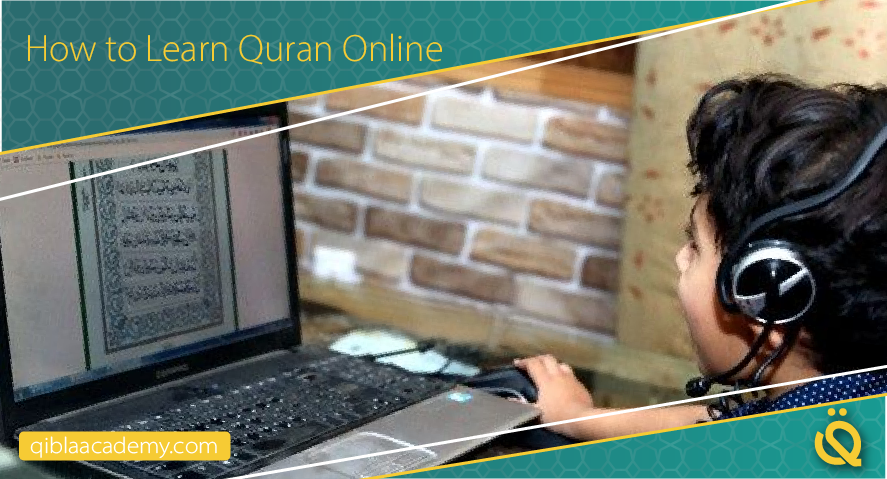
The most effective way to learn Quran online is to identify the next skill you need instead of choosing the course with the most advanced name.
A complete beginner may need Arabic letters, joined forms, and vowel marks. A developing reader may need help with hesitation or recurring pronunciation mistakes. Another learner may already read accurately and be ready for Tajweed, memorization, Quranic Arabic, or advanced recitation.
The right starting point depends on what you can perform accurately without help.
This guide will help you:
- Check your current Quran reading level
- Choose one primary learning goal
- Understand the main learning stages
- Select a suitable lesson format
- Evaluate a teacher or course before paying
- Build a schedule you can continue
The aim is not to complete every Quran subject at once. It is to choose a clear next step and follow it consistently.
Quick Answer: How Can You Learn Quran Online?
To learn Quran online, first assess what you can read accurately without help. Complete beginners usually begin with Arabic letters, joined forms, and vowel marks. Learners who can already decode words may need guided recitation, Tajweed correction, or fluency practice. Choose lessons that solve your next learning problem rather than covering every subject at once.
Use this rule:
Start with the lowest important skill you cannot yet perform accurately and consistently.
The general path is:
- Check your starting level.
- Choose one primary goal.
- Learn the missing foundation.
- Practise with suitable feedback.
- Review whether corrections are being retained.
- Move to the next stage only when the current skill is stable.
Check Your Level Before Learning Quran Online
Before choosing an online Quran course, check what you can already do without help.
Do not place yourself according to age, confidence, how long you have studied, or the number of books you have completed. Your starting point should depend on practical reading ability.
Give yourself:
- 0 points: I cannot perform this skill yet.
- 1 point: I can perform it with help or frequent hesitation.
- 2 points: I can perform it independently and consistently.
Quran Starting-Level Scorecard
| Skill | 0 Points | 1 Point | 2 Points |
|---|---|---|---|
| Recognize individual Arabic letters | Not yet | Some letters | Consistently |
| Recognize letters in joined forms | Not yet | With help | Consistently |
| Read basic vowel marks | Not yet | Frequent hesitation | Accurately |
| Decode short Quranic words | Mostly guessing | With support | Independently |
| Read an unfamiliar short verse | Not yet | Frequent pauses | Limited hesitation |
| Repeat a corrected word accurately | Not yet | After several attempts | Consistently |
What Your Score Means
| Score | Likely Starting Point | First Priority |
|---|---|---|
| 0–3 | Complete beginner | Arabic letters and basic sounds |
| 4–6 | Foundation learner | Joined forms and vowel marks |
| 7–9 | Guided reader | Verse reading with live correction |
| 10–12 | Developing reciter | Tajweed, accuracy, and fluency |
This score provides initial guidance rather than a formal placement.
A learner may score well overall while still having one important weakness. For example, someone may recite familiar surahs from memory but struggle to decode unfamiliar words. Another learner may read independently but need focused help with particular sounds.
Begin with the earliest essential skill you scored 0 or 1 on. A teacher can then confirm whether that starting point matches your actual reading.
For a detailed zero-level plan, continue with How Can a Beginner Start Learning Quran Online?
Choose One Primary Learning Goal

“Learning Quran” can describe several different outcomes. Before choosing a course, decide which result matters most during your next stage.
Choose reading foundations when you cannot reliably recognize letters, joined forms, or vowel marks.
Choose guided recitation when you can decode words but pause often, guess familiar endings, or lose accuracy in longer verses.
Choose applied Tajweed when you can read but repeat pronunciation, elongation, or articulation mistakes that require live correction.
Choose Hifz when your reading is stable enough to support accurate memorization and you have time for both new material and revision.
Choose Quranic Arabic when understanding recurring vocabulary and sentence structure is your main goal. Arabic study can support understanding, but it should not replace reading correction when recitation remains unstable.
Advanced Tajweed or Ijazah should begin only after the required reading level, teacher qualifications, assessment process, and meaning of completion are clear.
Two goals can sometimes work together, but one should lead the current stage.
For example, a child may memorize short surahs while continuing to improve reading. However, an intensive memorization plan may not be the right first step when the child still guesses words, misses vowel marks, or repeats pronunciation mistakes.
Parents comparing general programmes for a child should use the Best Online Quran Classes for Kids guide.
Parents considering memorization should review the Complete Guide to Quran Hifz for Kids.
Follow the Right Sequence to Learn Quran Online
A structured sequence makes online Quran learning easier to manage. It also reduces the risk of entering an advanced course before the required foundation is stable.
These stages are not rigid age groups. A child, teenager, or adult may begin at any stage according to demonstrated ability.
Stage 1: Build Reading Foundations
Complete beginners normally start with Arabic letters in isolated and joined forms, basic sounds, vowel marks, Sukoon, Shaddah, and common forms of Madd.
The aim is to move from recognizing symbols to decoding unfamiliar words. Memorizing familiar exercises is not enough. A skill becomes stable when the learner can apply it to new examples with less prompting.
A graded resource such as Noorani Qaida may support this stage, but the name of the book matters less than the teaching sequence, correction method, and transfer of skills into Quranic reading.
Learners should remain at this level only for as long as the essential skills remain unstable. Completing every page is less important than demonstrating the skill in unfamiliar material.
For help deciding whether a complete Qaida path is necessary, see Is Noorani Qaida Necessary for Every Beginner?
Stage 2: Practise Guided Quran Reading
At this stage, the learner begins reading words, verses, and short passages with feedback.
A practical correction cycle is:
Read → identify the main mistake → hear the correct model → repeat → read in context → review later
The goal is not immediate speed. It is to reduce guessing, unnecessary pauses, missed vowel marks, and recurring errors.
Correction should also be prioritized. Addressing every small issue at once may overwhelm a developing reader, while ignoring the same repeated mistake may allow it to become established.
Progress becomes visible when the learner remembers a correction and applies it in later words, passages, or lessons with less help.
Learners whose main difficulty is reading accuracy can explore the Quran Recitation Course after confirming that its lesson focus matches their current need.
Stage 3: Add Applied Tajweed
Tajweed becomes useful when its rules are connected to actual recitation.
A learner should be able to hear a correction, practise it in the current verse, and apply it when the same pattern appears again. Memorizing rule names without using them does not provide the same benefit as guided listening, repetition, and feedback.
The teacher can introduce rules as they appear in the learner’s reading rather than teaching every advanced topic before practical recitation begins.
The goal at this stage is not theoretical completeness. It is clearer pronunciation, more consistent application, and better retention of correction.
Detailed Tajweed instruction belongs in a focused course or guide. For a deeper explanation, see Learn Quran Online With Tajweed.
Stage 4: Choose a Specialised Path
Once reading is reasonably stable, the learner can choose a more specialised direction.
Quran Memorization
A Hifz student needs to balance new memorization with recent and long-term revision. The amount of new material should reflect reading accuracy, available review time, and the condition of previously memorized portions.
Moving quickly through new verses may feel productive, but new memorization is only one part of a sustainable Hifz plan. Previously memorized material should remain accurate and accessible as the learner moves forward.
A student who still struggles to decode words or repeat corrected pronunciation may need to strengthen those foundations before increasing the memorization target.
Quranic Arabic
Quranic Arabic can help the learner understand recurring vocabulary and sentence structures. It can support engagement with meaning, but it should not replace reading correction when basic decoding or pronunciation remains unstable.
Some learners study Arabic alongside recitation. This can work when the two goals remain clear. A recitation lesson should still focus on reading and correction, while an Arabic lesson may focus on vocabulary, grammar, and comprehension.
Advanced Tajweed or Ijazah
Before beginning advanced study, confirm the required entry level, the recitation or narration being taught, the teacher’s relevant qualifications, how mistakes are assessed, and what completion represents.
Advanced course names should not be treated as proof that a programme suits the learner. The student should understand the entry requirements and expected outcome before enrolling.
Each specialist path should extend a stable foundation rather than replace one that is still missing.
Choose the Right Format for Online Quran Lessons

Private lessons, group classes, recorded courses, apps, and independent study solve different learning problems.
Choose live private lessons when you need pronunciation correction, an initial level check, personal pacing, privacy, or direct accountability.
Private instruction may be particularly useful when a learner needs repeated correction, feels uncomfortable reading in front of others, or has a goal that requires an individual pace.
Choose group lessons when learners have similar abilities and each student still receives enough reading and correction time.
A group may support motivation and routine, but it becomes less suitable when one learner needs substantially more attention than the others.
Use recorded courses for explanations and repetition. They are helpful between live lessons but cannot always identify the cause of an individual pronunciation mistake.
Use Quran apps for listening, reminders, revision, or short practice activities. They can support a learning plan but should not automatically be treated as a complete replacement for a suitable teacher.
Independent study is most appropriate when the learner already reads with reasonable accuracy and knows when outside correction is needed.
A practical mixed approach is often:
Live correction + short independent practice + focused repetition + later teacher review
Give every resource one defined purpose. Using several teachers, books, apps, and methods without a clear role may create conflicting sequences and unnecessary confusion.
For a detailed comparison, see Live Quran Lessons or Recorded Courses: What Works Better?
How to Evaluate an Online Quran Teacher and Course
A polished website or advanced course title does not prove that the instruction fits the learner.
Before paying, look for evidence that the teacher or academy can identify the learner’s current problem and explain the next stage.
Teacher and Course Evidence Checklist
| What to Check | Strong Evidence | Warning Sign |
|---|---|---|
| Starting-level check | The teacher listens before recommending a level | Every learner begins at the same point |
| Teacher fit | The teacher demonstrates age-appropriate correction and explains relevant teaching experience | Only broad qualifications are mentioned without showing how lessons are adapted |
| Correction method | The mistake is identified, modelled, repeated, and checked later | The teacher only says “wrong” |
| Lesson focus | The learner knows the skill being practised | Each lesson feels unrelated to the last |
| Progress evidence | Specific skills and recurring errors are tracked | Progress means completing pages only |
| Trial lesson | The learner experiences real teaching and correction | The trial is mainly a sales presentation |
| Policies and schedule | Fees, lesson length, rescheduling, and expectations are clear | Important conditions remain unclear |
The useful question is not simply:
Is this teacher good?
Ask:
Is this teacher suitable for this learner’s level, goal, age, communication needs, and response to correction?
A knowledgeable reciter may not automatically be the right teacher for a nervous adult, a complete beginner, or a young child.
During a trial lesson, observe whether the teacher explains mistakes clearly, gives the learner an opportunity to repeat the correction, and checks the same skill again later. Also consider the lesson pace, communication style, and experience with the learner’s age and goal.
These details provide stronger evidence than general claims about being the “best” or “most qualified.”
Students and parents can compare available instruction through Qibla Academy’s Quran Teachers.
Build an Online Quran Learning Schedule You Can Maintain
A sustainable schedule is more useful than an ambitious plan that repeatedly breaks down.
Build the schedule around three elements:
- Live instruction or structured study
- Short practice between lessons
- Regular review of previous corrections
Beginners and children often benefit from shorter, predictable sessions. Developing readers may need focused lessons combined with one short passage of practice between sessions. Busy adults may progress more consistently with fewer lessons attached to an existing daily habit.
Before choosing a schedule, check whether it can survive an ordinary busy week. There should be enough time to attend, practise, review feedback, and rest without creating constant pressure.
A schedule may look suitable during a quiet week but become difficult during school exams, work deadlines, travel, or family commitments. A useful plan should remain manageable during normal disruption.
More lessons do not automatically produce better progress. Frequency should reflect the learner’s goal, attention, budget, available practice time, and ability to retain correction.
The purpose of practice between lessons is not to repeat large amounts without direction. It is to reinforce the specific skill or correction identified during the lesson.
What to Review During Your First Month
The first month should create clarity rather than pressure to complete a dramatic amount of material.
At the end of the month, review four points:
- Was the starting level appropriate?
- Which skill received the most attention?
- Are important corrections appearing in later lessons?
- Is the schedule realistic?
Progress may appear as fewer guesses, clearer pronunciation, better letter joining, stronger recall of corrections, or a more consistent routine. Completed pages should not be the only measure.
A learner may complete fewer pages while making an important improvement in decoding, pronunciation, or retained correction. That can be more useful than moving quickly through material without building a stable skill.
The review should lead to one clear next step: continue, adjust the practice plan, change the lesson format, or focus more closely on one recurring problem.
For a detailed weekly process, continue with Your First Month of Learning Quran Online.
Common Mistakes That Slow Online Quran Learning
1. Starting Above the Actual Level
Beginning with full Quran pages before joined letters and vowel marks are stable can encourage guessing and frustration. Test the learner with unfamiliar material rather than relying on completed books or memorized surahs.
2. Trying to Pursue Every Goal at Once
Reading, Tajweed, Hifz, Arabic, and advanced recitation may all be valuable, but one goal should guide the current stage.
When the priority is unclear, lessons may move between unrelated activities without giving one skill enough time to become stable.
3. Using Resources Without a Clear Role
Several apps, books, teachers, and recorded courses can create conflicting sequences. Add a resource only when it solves a specific problem the current plan does not address.
A new resource should have a defined purpose, such as listening practice, vocabulary review, pronunciation correction, or lesson preparation.
4. Measuring Progress Only by Pages or Speed
Accuracy, reduced hesitation, retained correction, consistency, and the ability to read unfamiliar material provide stronger evidence of development.
Reading more quickly is not meaningful progress when accuracy decreases or previous corrections disappear.
5. Choosing a Teacher or Schedule That Does Not Fit
A qualified teacher or intensive schedule may still be unsuitable. The plan should match the learner’s age, goal, communication needs, available time, and response to correction.
Teacher fit and schedule fit should be evaluated separately. A suitable teacher may still be paired with a lesson time the learner cannot maintain.
How Qibla Academy Can Support Your Online Quran Learning
Once you know your starting level and primary goal, you can evaluate whether Qibla Academy offers a suitable teacher, course, and schedule.
Use the trial lesson to experience the teaching approach and receive initial feedback. Ask the teacher to listen to a short reading sample and explain the most suitable starting point.
Before enrolling, confirm:
- Which skill should be addressed first
- Why the recommended course matches that need
- How mistakes will be corrected and reviewed
- What practice is expected between lessons
- How progress will be evaluated
- Which scheduling and rescheduling policies apply
The learner should leave the trial with a clearer understanding of what they can already do and what should come next.
You can compare Qibla Academy’s Quran Teachers and review the Current Class Plans before selecting regular lessons. Qibla Academy’s current website lists a teachers page, monthly class plans, and a free-trial option.
The aim is not to choose the longest or most advanced programme. It is to begin at a suitable level with a teacher and routine the learner can maintain.
Check Your Starting Level Before Enrolling
Experience the teaching approach, receive initial feedback, and ask which skill should come first.
Frequently Asked Questions
1. Can a Complete Beginner Learn Quran Online?
Yes. A complete beginner can start with Arabic letters, basic sounds, vowel marks, and joined forms. The course should begin at the learner’s demonstrated ability rather than assuming previous reading experience.
2. Do I Need to Speak Arabic Before Learning Quran?
No. You can begin learning Quranic letters and reading without speaking conversational Arabic. Quranic Arabic can later become a separate path when vocabulary, grammar, and understanding are the primary goals.
3. Do I Need a Live Quran Teacher?
A live teacher is especially useful when you need pronunciation correction, an initial level check, personal pacing, or accountability. Recorded courses and apps can support practice but may not identify the cause of every mistake.
4. Can Children Learn Quran Online Effectively?
Online Quran learning can work well for children when the teacher, lesson length, schedule, supervision, and learning goal suit the child. Parents should use a trial lesson to evaluate communication, comfort, participation, and correction quality.
5. How Long Does It Take to Learn Quran Reading?
There is no responsible universal timeline. Progress depends on the learner’s starting level, lesson frequency, practice, pronunciation needs, teacher fit, and the standard used to define confident reading.
Conclusion: Choose the Next Skill, Not the Most Advanced Course
The best way to learn Quran online is to begin with the skill that needs attention now.
Check what you can perform independently, choose one primary goal, and select a lesson format that provides the feedback you need. Follow a schedule that remains realistic during ordinary weeks, not only when you have extra time.
Use this decision rule:
Begin with reading foundations if you cannot decode words reliably. Choose guided recitation if you can read but hesitate or guess. Add applied Tajweed when recurring pronunciation mistakes need correction. Begin structured Hifz or advanced study only when the necessary reading and review foundations are stable.
Before enrolling, ask the teacher or academy to explain your recommended starting point, the first skill you will practise, and how progress will be reviewed.
A suitable Quran learning path should provide one clear next step—not pressure to study every subject at once.