Online Quran Classes with Tajweed
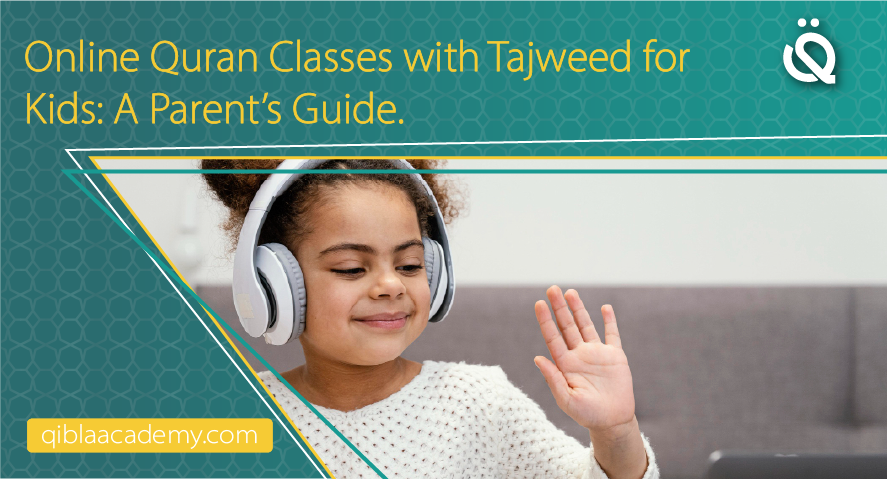
Online Quran Classes with Tajweed help children read the Quran with better pronunciation, smoother recitation, and more confidence. Tajweed is not only about rules. For kids, it is about learning how to say Quranic letters correctly from the beginning.
If a child learns Quran reading without correction, small mistakes can become habits. A good teacher helps the child hear the correct sound, repeat it, and apply it while reading.
In Simple Words
Online Quran Classes with Tajweed help kids read the Quran correctly by teaching letter sounds, pronunciation, Madd, Makharij, and fluency through live teacher correction.
Before choosing a Tajweed class, parents should understand the full learning journey through A Parent’s Guide to Choosing the Best Online Quran Classes for Kids. If your child is also memorizing Quran, Tajweed should support the Hifz plan explained in Complete Guide to Quran Hifz for Kids: A Peaceful Step-by-Step Plan for Parents.
What Is Tajweed in Online Quran Classes?
Tajweed means reading the Quran with proper pronunciation and recitation rules. For children, Tajweed should be taught gently and practically.
A child does not need to memorize complex rules at the beginning. They need to listen, repeat, correct, and practice.
| Tajweed Area | What Kids Learn |
|---|---|
| Makharij | Correct letter sounds |
| Madd | Stretching sounds properly |
| Heavy and light letters | Knowing the difference in pronunciation |
| Stopping rules | Pausing correctly while reading |
| Fluency | Reading smoothly without rushing |
| Repetition | Fixing mistakes through practice |
The best Tajweed class does not overwhelm the child. It helps them improve one step at a time.
Online Quran Classes with Tajweed vs Basic Quran Reading
Basic Quran reading helps the child read words. Tajweed helps the child read them correctly.
| Comparison Point | Basic Quran Reading | Online Quran Classes with Tajweed |
|---|---|---|
| Main focus | Reading letters and words | Correct pronunciation |
| Correction | Basic mistakes | Detailed sound correction |
| Best for | Beginners | Children who read or are ready to improve |
| Teacher role | Helps with reading | Listens carefully and corrects recitation |
| Long-term value | Builds foundation | Protects accuracy |
A child should not be rushed into advanced Tajweed before they are ready, but pronunciation correction should begin early.
When Should Kids Start Tajweed in Online Quran Classes?
Children can begin light Tajweed correction as soon as they start reading Quran or Qaida. Deeper Tajweed rules can come later when the child is older and more fluent.
| Child’s Stage | Best Tajweed Focus |
|---|---|
| Beginner | Correct letter sounds |
| Qaida level | Joining sounds properly |
| Early Quran reader | Basic pronunciation correction |
| Fluent reader | Makharij, Madd, and fluency |
| Hifz student | Accuracy before memorizing more |
The right time depends on readiness, not only age.
Online Quran Classes with Tajweed for Makharij
Makharij means the correct place where each letter sound comes from. This is one of the most important parts of Tajweed for children.
If a child says a letter from the wrong place, the recitation may sound unclear or incorrect.
| Makharij Problem | What the Teacher Should Do |
|---|---|
| Child confuses similar letters | Compare sounds slowly |
| Child cannot pronounce a heavy letter | Repeat with examples |
| Child reads too quickly | Slow the pace |
| Child feels embarrassed | Correct gently |
| Child repeats the mistake | Practice the same sound in short phrases |
Why Makharij Matter in Online Quran Classes
Makharij matter because children often copy what they hear. A live teacher can listen to each sound and correct it before it becomes a habit.
Recorded videos and apps may help with practice, but they cannot fully replace a teacher who hears your child directly.
Online Quran Classes with Tajweed for Madd and Fluency
Madd means stretching certain sounds correctly. Many children either shorten Madd too much or stretch sounds randomly.
A teacher should correct Madd through listening and repetition, not long explanations.
| Tajweed Skill | Child-Friendly Method |
|---|---|
| Madd | Repeat short examples |
| Fluency | Read small portions daily |
| Stopping | Practice during recitation |
| Rhythm | Listen and repeat |
| Confidence | Praise effort before correction |
The goal is not to make the child sound perfect in one lesson. The goal is steady improvement.
Online Quran Classes with Tajweed and Hifz
Tajweed becomes even more important when a child starts Hifz. Children often memorize verses exactly the way they first learned them.
If pronunciation mistakes are memorized, they may become harder to fix later.
| Hifz Need | Why Tajweed Helps |
|---|---|
| Accurate memorization | Child memorizes correct recitation |
| Strong revision | Mistakes are caught during review |
| Clear recitation | Teacher can track errors |
| Confidence | Child recites with better flow |
| Long-term progress | Reduces repeated correction later |
Tajweed and memorization should work together. The child should not be pushed to memorize more if the current portion has repeated pronunciation errors.
Online Quran Classes with Tajweed for Different Ages
Tajweed should look different for a 6-year-old and a 12-year-old.
| Age Range | Tajweed Approach |
|---|---|
| 5–6 years | Letter sounds and gentle repetition |
| 7–8 years | Simple Makharij and short correction |
| 9–10 years | Madd, fluency, and stopping practice |
| 11+ years | More structured Tajweed rules |
| Hifz students | Tajweed linked with memorization and revision |
For younger kids, too many rules can make Tajweed feel heavy. Keep it practical.
Online Quran Classes with Tajweed: Teacher Quality Matters

Tajweed depends heavily on the teacher’s ear, patience, and correction style.
A good Tajweed teacher should correct mistakes without making the child afraid to read.
| Teacher Skill | Why It Matters |
|---|---|
| Strong recitation | Child hears correct sounds |
| Careful listening | Mistakes are noticed quickly |
| Gentle correction | Child keeps trying |
| Simple explanation | Kids understand better |
| Patience | Repetition becomes easier |
| Parent feedback | Home practice stays focused |
Tajweed is not only information. It is guided practice.
Mid-Decision Checks Before Choosing Tajweed Classes
Before choosing a Tajweed-focused program, parents should look at memorization goals, class format, and teacher fit.
If your child is memorizing Quran, Online Quran Classes for Kids Who Want to Memorize the Quran explains how Tajweed should support Hifz without pressure. If your child needs direct pronunciation correction, Private Online Quran Classes for Kids: Is a One-to-One Tutor Worth It? can help you decide whether one-to-one learning is better. And if teacher quality is your biggest concern, How to Choose the Right Teacher for Online Quran Classes for Your Child will help you know what to check before enrolling.
Private vs Group Online Quran Classes with Tajweed

Private classes are often stronger for Tajweed because the teacher can listen closely to one child. Group classes may work for children who already read confidently.
| Class Type | Tajweed Strength | Best For |
|---|---|---|
| Private Online Quran Classes | Detailed correction | Beginners, shy kids, Hifz students |
| Group Online Quran Classes | Shared practice | Confident readers |
| Semi-private classes | Balanced attention | Siblings or similar-level children |
For Tajweed, more personal listening usually means better correction.
Common Tajweed Mistakes Kids Make
Children often make the same types of Tajweed mistakes when they are learning.
| Common Mistake | Better Teacher Response |
|---|---|
| Mixing similar letters | Compare sounds clearly |
| Reading too fast | Slow the recitation |
| Ignoring Madd | Practice short examples |
| Stopping randomly | Teach pauses during reading |
| Feeling embarrassed | Correct gently |
| Forgetting corrections | Review the same mistake next class |
A good teacher tracks repeated mistakes instead of correcting randomly.
How Parents Can Support Tajweed at Home
Parents do not need to be Tajweed experts. Simple support can help.
| Parent Action | Why It Helps |
|---|---|
| Keep practice short | Child does not feel pressure |
| Play correct recitation | Helps listening |
| Avoid harsh correction | Protects confidence |
| Ask teacher what to review | Focuses practice |
| Praise improvement | Builds motivation |
| Keep routine consistent | Tajweed improves slowly |
The best home support is calm and consistent.
How Qibla Academy Supports Online Quran Classes with Tajweed
At Qibla Academy, Tajweed should be taught in a way children can understand and continue.
| Child Need | Tajweed Support |
|---|---|
| Beginner reader | Basic sound correction |
| Qaida student | Letter joining and pronunciation |
| Quran reader | Makharij, Madd, and fluency |
| Hifz student | Accurate memorization support |
| Shy child | Gentle correction |
| Busy family | Flexible learning schedule |
The goal is to help children read Quran correctly without making the class stressful.
What Parents Should Check Next

After understanding Tajweed, parents usually want to know why certified teachers matter, how to compare academies, and how to choose the best option in their country.
To understand why teacher training and recitation quality are important, read Why Certified Teachers Matter in Online Quran Classes for Kids. If you are comparing online Quran academies, Best Online Quran Classes Academy for Kids: What Parents Should Look For will help you evaluate trust, structure, safety, and teacher quality. And if your family is based in the United States, Best Online Quran Classes for Kids in the USA will help you compare what parents should look for locally.
Final Answer
Online Quran Classes with Tajweed help children read the Quran more correctly by improving pronunciation, Makharij, Madd, fluency, and confidence.
For kids, Tajweed should be taught gently through live correction, repetition, and short practice. It should not feel heavy or stressful.
The best Tajweed classes include a patient teacher, clear listening, age-appropriate correction, parent feedback, and a learning plan that supports Quran reading, Hifz, or memorization.
For families in the USA, UK, Canada, and Australia, Qibla Academy helps children improve Tajweed through Online Quran Classes designed around the child’s level, comfort, and pace.
FAQ
Can kids learn Tajweed through Online Quran Classes?
Yes, kids can learn Tajweed through Online Quran Classes when a teacher listens live, corrects pronunciation, and gives simple practice.
What age should kids start Tajweed?
Children can start light Tajweed correction when they begin Quran reading or Qaida. Deeper rules can come later when they are more fluent.
Do beginners need Tajweed?
Beginners need simple pronunciation correction, but they do not need advanced Tajweed rules at the start.
Are private Online Quran Classes better for Tajweed?
Private classes are often better for Tajweed because the teacher can listen closely and correct the child’s exact mistakes.
Can Tajweed help with Hifz?
Yes, Tajweed helps children memorize Quran more accurately and reduces repeated mistakes during revision.
What Tajweed topics should kids learn first?
Yes, Tajweed helps children memorize Quran more accurately and reduces repeated mistakes during revision.
How can parents help kids practice Tajweed at home?
Parents can keep practice short, play correct recitation, follow teacher advice, and encourage the child without pressure.