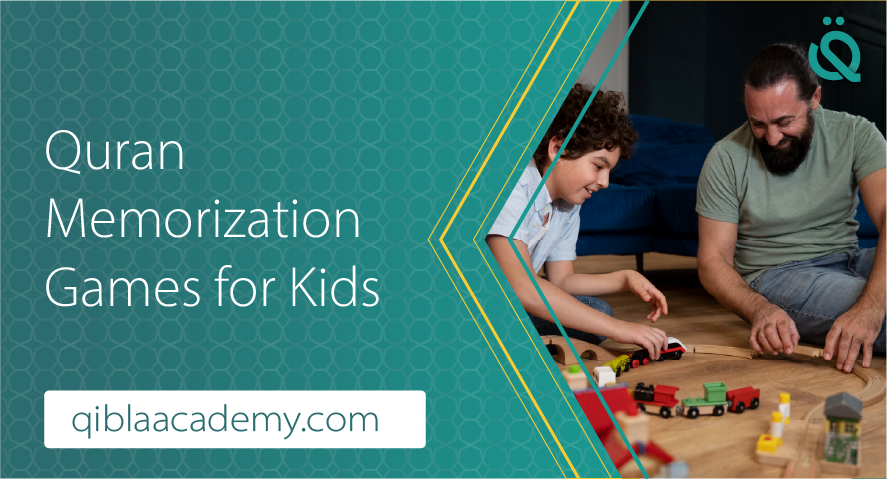
Quran Memorization Games for Kids
Transforming your home into a place of joyful learning is easier than you think. To build this blessed foundation safely, parents should explore our Complete Guide to Quran Hifz for Kids for a peaceful home plan.
To maximize your results, you must pair these activities with the Best Age to Start Hifz for Children to target their developmental stage. Additionally, launching these activities at the Best Time of Day for Kids to Memorize Quran ensures peak energy levels. Finally, mastering How to Balance School and Quran Memorization ensures that playtime never disrupts daily academic homework.
Many well-meaning parents treat spiritual lessons like strict, exhausting school exams. They force repetitive sitting, which often leads to heavy boredom and stubborn resistance from the child. Using play changes the entire dynamic instantly. Let us explore the best interactive activities to unlock your child’s highest retention through joy.
The best Quran memorization games for kids combine recitation with movement, listening, visual progress, and simple memory challenges. Useful options include the Hopscotch Verse Challenge, Surah Mountain Track, Mystery Verse Stop, Verse Connector, Pass the Ball, and Finish the Verse game. Choose the activity based on your child’s age, attention span, and the Quran portion they are currently reviewing.
Interactive Play: Active Methods for Young Minds
Why Movement Enhances Quran Memorization Games
Children are natural bundles of physical energy who struggle to sit still for long periods. Forcing a child to remain static while reciting causes their focus to drop dramatically. Adding simple movement can make practice feel more engaging and may help some children stay focused while repeating familiar verses.
Sitting Static  ───> High Restlessness ───> Rapid Boredom (5 Mins)
Active Movement ───> High Engagement   ───> Fast Retention (20 Mins)
Movement breaks the monotony of traditional lessons. When a child associates a physical action with a verse, muscle memory supports mental memory. This approach can make repetition feel less monotonous and help some children engage with the session more willingly.
The Hopscotch Verse Challenge: Step-by-Step Guide
This classic playground game can be easily brought into your living room using simple materials. It works beautifully for tactile learners who love physical challenges.
- The Setup: Place large, colorful paper squares on the floor in a straight line or grid.
- The Rules: Write one single verse from their current Surah on each paper square.
- The Gameplay: Your child must jump onto the first square and recite the verse cleanly. If they succeed, they get to jump to the next step and reveal the next verse.
- The Goal: They keep jumping and reciting until they cross the entire room to win a high-five.
Visual Progress: Mapping Success at Home
Using Reward Maps for Kids Hifz Progress

Visual tracking turns abstract goals into a fun, exciting race that children want to win. Seeing their actual growth on a colorful chart builds internal pride and deep motivation to continue.
Visual progress becomes more meaningful when rewards recognize consistency rather than speed alone. See how to build a reward system for kids Quran memorization around effort, revision, and achievable Hifz milestones.
When goals are just spoken words, children cannot picture their progress. A physical map gives them a clear destination, making them eager to finish the next step.
The Surah Mountain Track: Turning Revision Into a Race
This game changes how children view their daily review sessions by introducing a playful narrative.
- The Design: Draw a large, majestic mountain on cardboard and divide the climbing path into 10 numbered checkpoints.
- The Action: Each checkpoint represents a specific short Surah or a block of three verses.
- The Progress: Let your child choose a small toy figure or a custom sticker to represent themselves on the track.
- The Victory: Move their figure up one notch every time they pass a review test without help. Reaching the peak unlocks a special weekend family surprise.
Direct Evaluation: Choosing the Right Game
Quick Skill Comparison for Children’s Quran Games
To help you select the perfect activity for tonight’s session, look at this simple skill breakdown. Different games target completely different cognitive areas of your child’s development.
| Game Name | Core Skill Developed | Ideal Age Range | Preparation Time |
| Hopscotch Challenge | Raw Memorization & Muscle Memory | Ages 4 to 7 | 5 Minutes |
| Surah Mountain Track | Long-Term Motivation & Consistency | Ages 5 and Above | 10 Minutes |
| Mystery Verse Stop | Deep Auditory Listening & Tajweed | Ages 4 to 8 | Zero Prep |
| Verse Connector | Logical Associations & Chronology | Ages 7 and Above | 5 Minutes |
How Many Ayahs Should Kids Memorize Daily
Auditory Challenges: Building Deep Listening Skills
Sound-Based Challenges for Quran Memorization Games

Since young children absorb language beautifully through their ears, auditory games are incredibly powerful. These activities sharpen their listening skills and teach them to spot similar verses safely.
Auditory tracking forces the brain to pay attention to subtle vowel sounds and ending letters. This builds an incredibly sharp ear for correct pronunciation early on.
The Mystery Verse Stop Game: Training the Ear
This game is a fantastic tool for training your child to listen closely and catch common recitation slips.
- The Roleplay: Tell your child that they are now a “Quran Detective” with a special mission.
- The Trick: Start reciting a familiar Surah softly, but intentionally make a loud, obvious mistake in a word.
- The Catch: Your child must listen attentively and shout “STOP!” the exact second they hear the wrong sound.
- The Fix: They must then recite the correct verse back to you to earn their detective points.
Cognitive Competition: Engaging the Growing Brain
Memory Matching Blocks for Independent Kids Hifz
As children enter the primary school years, they crave logical challenges and puzzles. Matching games test their memory pathways without making them feel like they are sitting in a classroom test.
The Verse Connector Game: Building Logical Associations
This puzzle-style game helps older children memorize the specific order of verses inside a long Surah.
- The Pieces: Take five wooden building blocks or plastic cups and label them with numbers 1 through 5.
- The Hidden Text: Stick a small piece of paper under each block containing a specific verse from their lesson.
- The Challenge: Scramble the blocks on the floor completely out of order.
- The Solution: Your child must read or listen to the verses, then physically arrange the blocks in the correct chronological sequence.
Case Study: How a Simple Game Improved Daily Hifz Practice
A nine-year-old learner was becoming bored during regular revision because the same Surah was repeated in exactly the same way every day. His family replaced one review session each week with the Pass the Ball game, while keeping the same verses and correction standards. Over the following weeks, he became more willing to begin revision and completed the assigned Surah review with fewer reminders. The game did not replace structured Hifz—it simply made one part of the routine easier to engage with.
Quick Quran Games for Busy Parents
Low-Preparation Activities for Daily Kids Hifz
You do not need hours of crafting to make learning fun after a long day. These rapid, zero-prep games can be played anywhere, whether you are cooking dinner or driving in the car.
The Pass the Ball Game: Rapid-Fire Revision
This high-energy game is perfect for reviewing older Surahs without making the child feel bored. Sit on the floor opposite your child and hold a soft plush ball. Recite the very first verse of a Surah, then gently toss the ball to your child.
The moment they catch it, they must recite the exact next verse cleanly before tossing the ball back to you. The game continues back and forth like a tennis match until the Surah is complete. This rapid physical cycle keeps their heart pumping, eliminates daytime drowsiness, and builds sharp, fast mental reflexes.
Finish the Verse Game: Building Instant Recall
This auditory challenge helps eliminate the mental freezing that children often face during formal testing. Start by reciting a random verse from a Surah they know well, but stop abruptly right in the middle of a phrase.
Your child must immediately jump in and shout out the remaining words of that exact verse. To make it more exciting, you can use a kitchen timer set for five seconds. Giving them a tiny time limit adds a playful spark of competition, which trains their brain to access stored memory paths instantly under pressure.
The Smooth Recitation Challenge: Improving Accuracy
Children naturally love trying to beat high scores and breaking records. Pick a short Surah that your child already knows well and pull out your smartphone stopwatch tool. Challenge them to recite the entire Surah smoothly while you track the exact seconds.
Write down their time on a small sticky note on the fridge. Next time, challenge them to beat their own personal record by just two seconds without ruining their Tajweed rules. This shifts the focus from a boring chore to a personal sports milestone that they want to conquer.
5 Critical Questions Parents Ask About Hifz Games (FAQ)
1. Will playing games make my child disrespect the Holy Quran?
No, as long as you set clear, loving boundaries before starting. Teach them that the verses are sacred, but the process of training the brain can be joyful. Avoid making jokes about the words themselves.
2. My 5-year-old only wants to play and refuses formal text. Is this okay?
This is completely normal for a five-year-old child. At this tender stage, stick 100% to auditory and physical games. Do not force them to read dense text until their visual brain window opens fully around age six.
3. How often should we introduce a brand-new game?
Change the game style every two weeks to keep the excitement alive. If you repeat the exact same activity every single day, the novelty wears off, and the child will slip back into boredom.
4. Can we use toys or candy as rewards for winning games?
Yes, but use them wisely as unexpected celebrations rather than bribes. If you offer a treat before the lesson starts, the child focuses only on the prize rather than loving the actual verses.
5. What is the best game for reviewing older Surahs?
The “Pass the Ball” game works beautifully. Toss a soft ball back and forth; whoever catches the ball must recite the very next verse of the Surah. It keeps revision fast, competitive, and highly engaging.
Conclusion
Play is not a distraction from serious learning; it is the absolute gateway to a child’s heart. By replacing boring repetition with active steps, visual maps, and fun audio puzzles, you protect their emotional peace. Watch their natural signals, keep the environment warm, and watch how fast they thrive.
Every child has a unique rhythm. Some thrive with active movement games, while others learn best through puzzle challenges. Our experienced tutors can help you identify the perfect Hifz schedule based on your child’s age, personality, and school commitments. Book your free assessment today and build a routine that lasts for years.
Engaging children in Quran memorization through interactive games fosters a deeper connection to their learning experience. By integrating movement and problem-solving activities, parents can create a supportive atmosphere that encourages retention and enthusiasm. Tailoring these methods to each child’s individual learning style is crucial, as it ensures that their unique strengths are maximized. Collaborating with knowledgeable tutors can further enhance this process, providing personalized strategies that align with each child’s developmental needs and interests.