Best Time of Day for Kids to Memorize Quran
Creating a peaceful routine is the secret to a successful spiritual journey at home. To build this blessed foundation safely, parents should explore our Complete Guide to Quran Hifz for Kids for a peaceful home plan.
To design the absolute best schedule, you also need to understand the Best Age to Start Hifz for Children to match their mental readiness. Furthermore, learning how to introduce engaging Quran Memorization Games for Kids can make any time of day fun. Finally, mastering How to Balance School and Quran Memorization ensures your daily timeline never feels overwhelming.
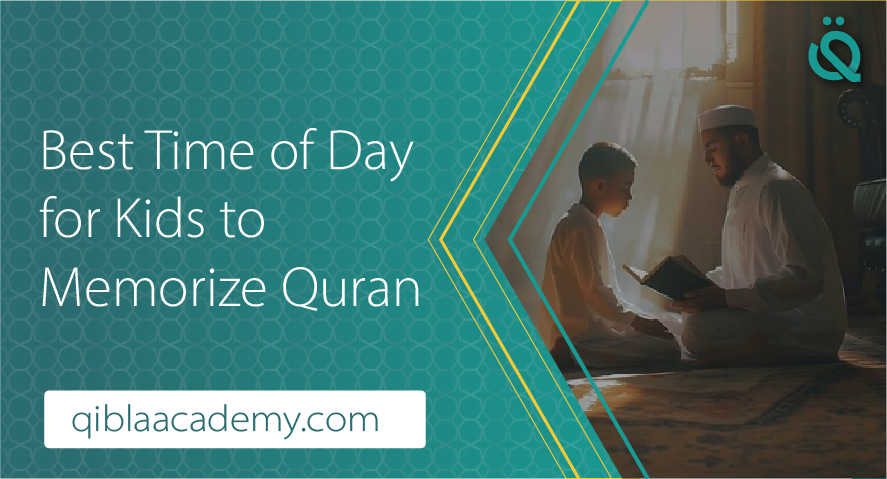
Choosing the right hour ensures their brain is fully fresh and receptive. Many well-meaning parents pick study times based entirely on their own free hours. They force lessons right after a long, exhausting school day. This mistake often leads to heavy tears, frustration, and stubborn resistance from the child. Let us explore how to structure your daily schedule to unlock your child’s highest focus.
You can also read about the most important aspects of this article reading quran in arabic
The Golden Hours: Capturing Peak Brain Power
Why Early Morning is Best for Kids Hifz
Scientific research combined with Islamic tradition proves that the quiet hours right after Fajr are unmatched for mental focus. During this peaceful window, a child’s brain naturally experiences a peak in cortisol levels, which heavily accelerates deep focus and memory retention. This fresh morning slot is the perfect time to test How Many Ayahs Should Kids Memorize Daily, ensuring they lock in their target lines before school distractions and daily cognitive overload take over.
Studies on learning and memory consistently show that newly learned information is retained more effectively when acquired during periods of peak alertness. For most children, this occurs shortly after waking up, when the brain is fresh and free from cognitive overload.
During this blessed early window, your child can often memorize a new verse in just ten minutes. The same verse might take an hour of painful struggle later in the evening. Protect this quiet morning time fiercely to keep their journey light and joyful.
Goal-Oriented Scheduling: Matching Time to Task
Best Time Depending on Your Hifz Goal

Not all study sessions are created equal, so you must match your specific daily objective with the right hour. Different times of day unlock different types of mental processing in children.
- Learning Brand-New Verses: The ultimate window is right after Fajr when focus peaks.
- Revising Older Surahs (Murajaah): The ideal window is after school following a light rest.
- Strengthening Long-Term Retention: The perfect window is a passive audio review right before sleep.
Direct Evaluation: Choosing the Right Slot
Best Time Comparison for Quran Memorization
To help you make an instant, data-driven decision for your family, look at this simple performance breakdown. Every hour of the day serves a completely different mental purpose for a growing child.
| Time of Day | Focus Level | Energy Level | Best Practical Use |
| After Fajr | Very High | Very High | Learning New Hifz |
| After School | Medium | Low | Reviewing Old Surahs |
| Before Bed | Low | Medium | Passive Audio Review |
Age Adaptability: Shifting the Daily Routine
Does the Best Time Change with Age?
As children grow, their attention span changes, meaning their optimal study window shifts as well. A schedule that works beautifully for a toddler might completely fail for a primary school student.
- Ages 4 to 5: A four-year-old responds best to passive listening sessions in the morning while eating breakfast.
- Ages 6 to 7: A seven-year-old benefits most from a highly structured, 15-minute visual lesson right before school.
- Ages 8 and Above: Older children perform exceptionally well after Fajr because they can sustain deep concentration for longer periods.
The Afternoon Slate: Managing the Post-School Energy Slump
Strategic Revision Sessions After Daily Schooling
When children return home from school, their mental battery is completely drained. Forcing them to memorize new, complex verses at this time creates instant emotional burnout. Instead, use this afternoon slot exclusively for reviewing older, familiar Surahs they already know well.
Reviewing requires significantly less cognitive energy than learning brand-new text. A light, 15-minute review after a good snack keeps their memory sharp without causing stress.
Common Timing Mistakes Parents Make
Critical Schedule Pitfalls That Block Hifz Progress
Even the most loving parents can accidentally build habits that cause deep resentment toward lessons. Avoid these common daily traps to keep the journey smooth and peaceful:
- Instant Post-School Lessons: Forcing your child to study immediately after they step through the front door.
- Mealtime Interruptions: Starting a formal lesson right when the child is hungry or during family meals.
- Constant Routine Shifts: Changing the designated study time every week, which destroys their internal rhythm.
- Marathon Sessions: Keeping lessons running for too long instead of using short, high-focus windows.
Real-Life Evidence: Proof of the Morning Shift
Case Study: Ahmed’s Morning Hifz Transformation

Looking at real family adjustments proves how much timing impacts success. Ahmed, age eight, struggled immensely every single evening with his daily Quran goals. His mother faced tears, heavy resistance, and constant arguments after school.
His parents decided to make a radical shift and moved memorization to 6:30 AM right before breakfast. Within three weeks, Ahmed was memorizing twice as many verses with fewer mistakes and zero morning resistance.
The Bedtime Routine: Using the Sleep Consolidation Secret
Locking in Quran Memory Before Your Child Sleeps
The human brain does incredible work while we are asleep. Whatever a child reviews right before closing their eyes is processed deeply by the subconscious mind overnight. This natural neurological process is called memory consolidation, and it turns short-term learning into permanent retention.
Why Sleep Matters More Than Study Time
A child who sleeps poorly will never benefit from the best study hours, no matter how hard you try. Rest acts as the ultimate glue that hardens memory traces in the brain. Prioritize an early bedtime, because deep sleep is what actually saves your hard work from disappearing the next morning.
5 Critical Questions Parents Ask About Hifz Timing (FAQ)
1. What if my child is too tired to wake up before school for Hifz?
Do not wake them up drastically early if it ruins their sleep. Instead, simply wake them up 15 minutes earlier than usual. A short, high-focused 10-minute session in the morning is far better than an hour of arguing at night.
2. Can we do the entire Quran lesson right before bed?
No, bedtime should never be used for heavy, stressful memorization. Pushing a sleepy child to learn new verses will cause anxiety and nightmares. Use bedtime only for soft, passive listening and gentle review.
3. How long should a daily Quran session last for a 6-year-old?
Keep the session between 10 to 15 minutes max. Young children have a very short attention span. It is much better to have a consistent 15-minute daily session than a long, painful one-hour session once a week.
4. Is it okay to change the Hifz schedule during the weekend?
Yes, you can adapt, but keep the core rhythm alive. On weekends, you can shift the session to mid-morning after a family breakfast. However, never skip the daily touchpoint completely, as consistency protects memory.
5. My child completely resists afternoon study. What should I do?
Stop the session immediately. Resistance means their brain is overwhelmed from school. Give them at least two hours of pure playtime and physical rest. Switch the study slot to a quick review right before dinner instead.
Conclusion
The clock is a powerful tool when used with love and wisdom. By placing new memorization in the fresh morning and reserving light reviews for the afternoon, you protect your child’s emotional peace. Watch their natural signals, respect their energy levels, and let the rhythm of the Quran blend beautifully into your daily home life.
Every child has a unique rhythm. Some thrive after Fajr, while others learn best with structured afternoon review. Our experienced tutors can help you identify the perfect Hifz schedule based on your child’s age, personality, and school commitments. Book your free assessment today and build a routine that lasts for years.